Leh · Kargil · Zanskar
Destinations in Ladakh
Lakes, monasteries, valleys and high passes across Leh, Kargil and Zanskar — pick a region, filter by category or search for a place.
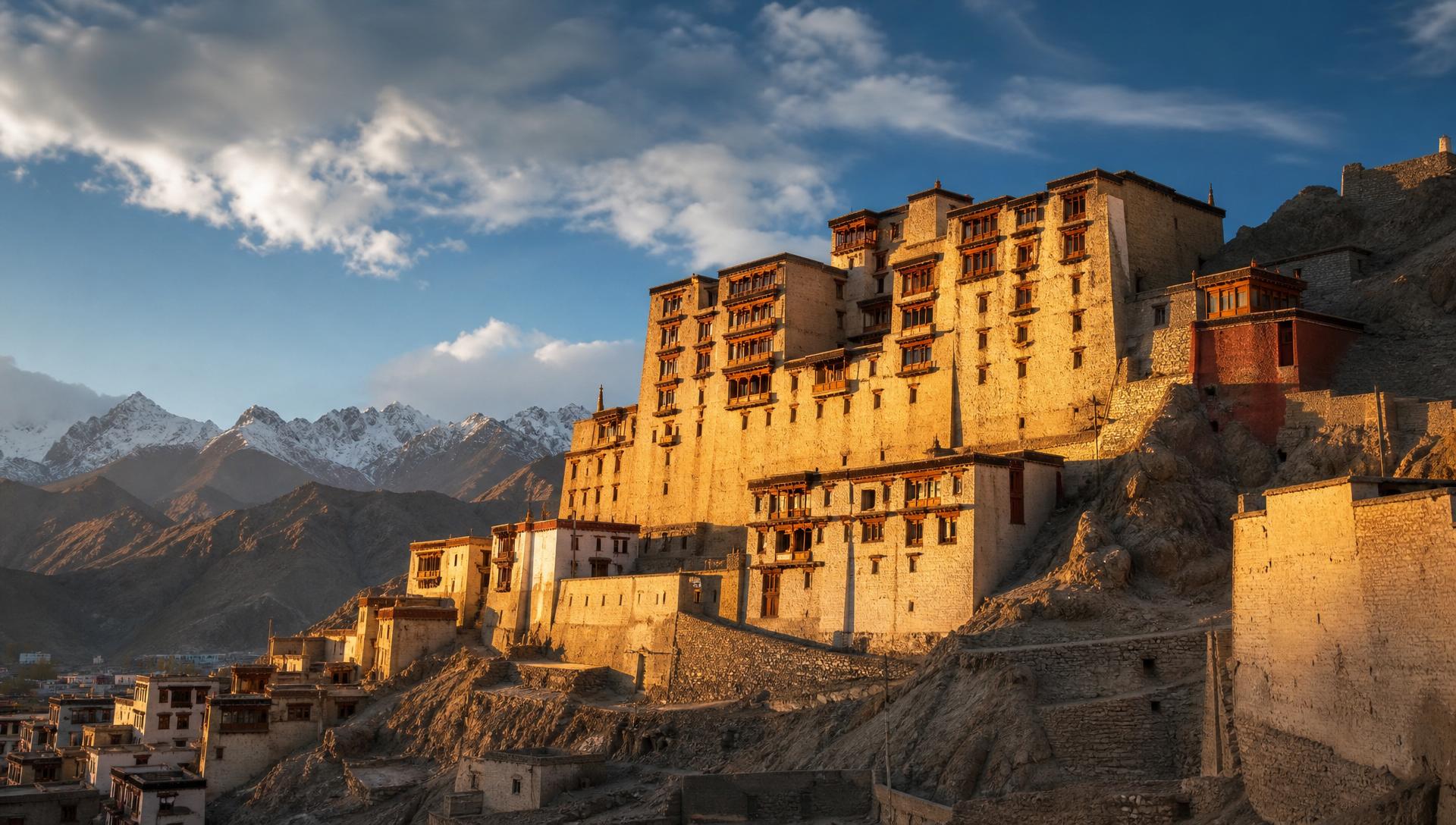
Leh Palace
A nine-storey royal palace built in the 17th century by King Sengge Namgyal, towering above the old town of Leh with sweeping views over the Indus Valley and the Stok Kangri range.
View details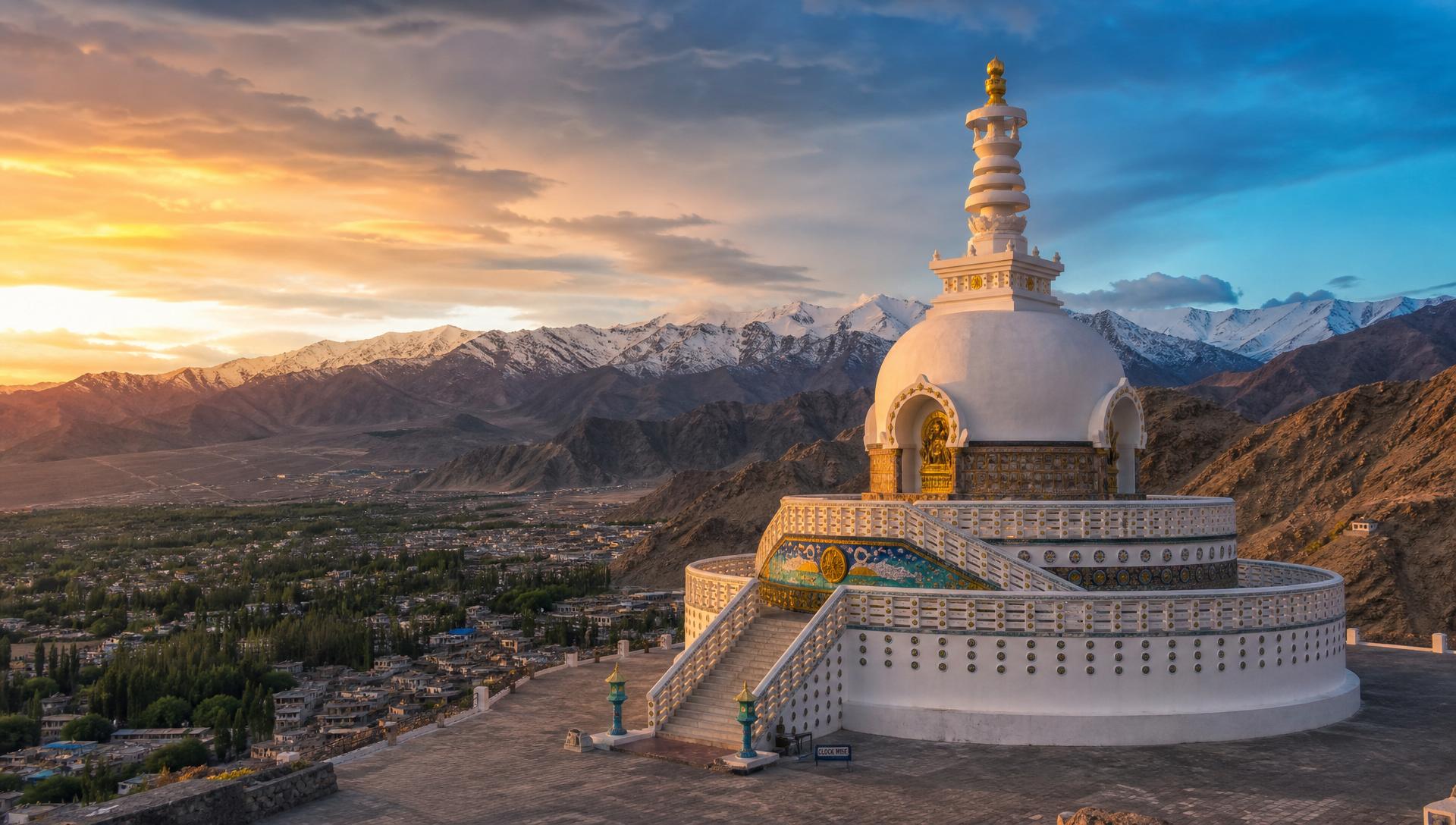
Shanti Stupa
A gleaming white-domed Buddhist stupa perched on a hilltop at Chanspa, famous for panoramic sunrise and sunset views over Leh and the surrounding Himalayan peaks.
View details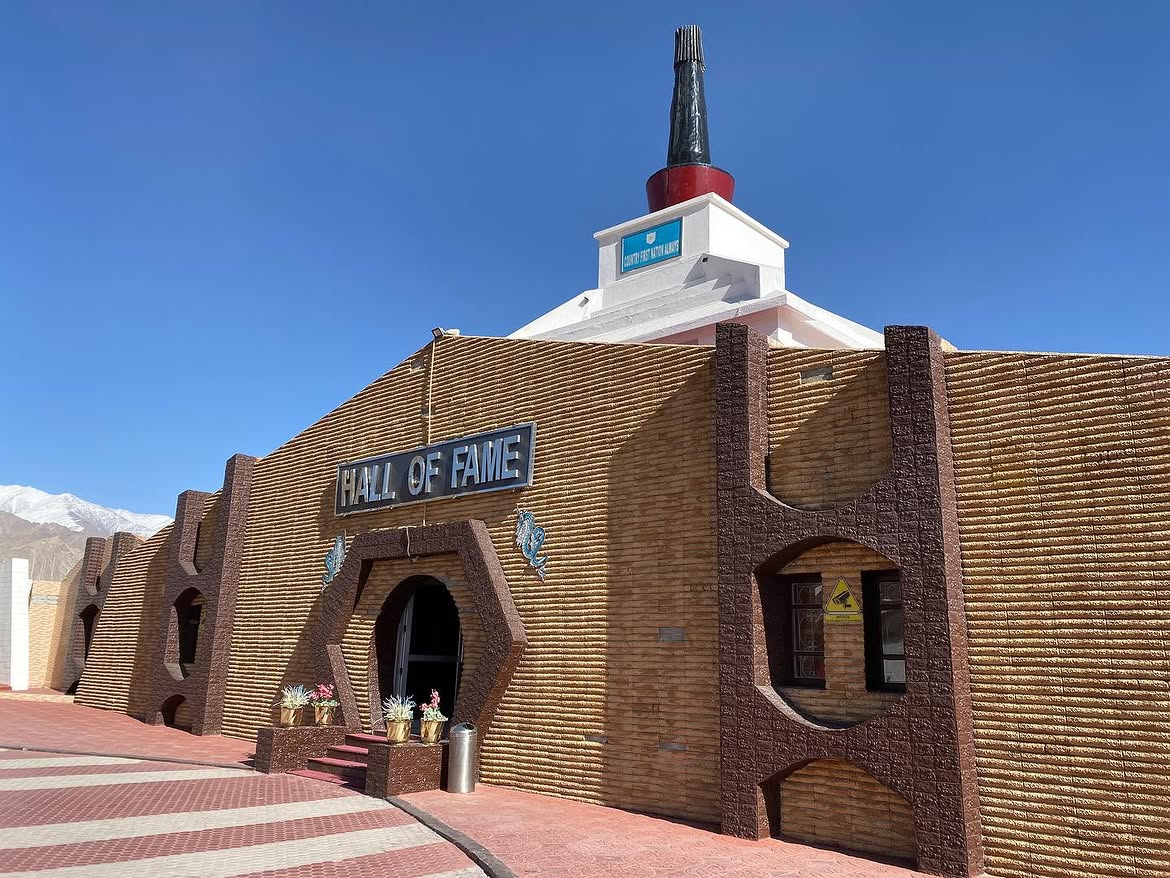
Hall of Fame
A solemn war memorial and museum built by the Indian Army honouring soldiers who laid down their lives defending Ladakh, especially during the 1999 Kargil War.
View details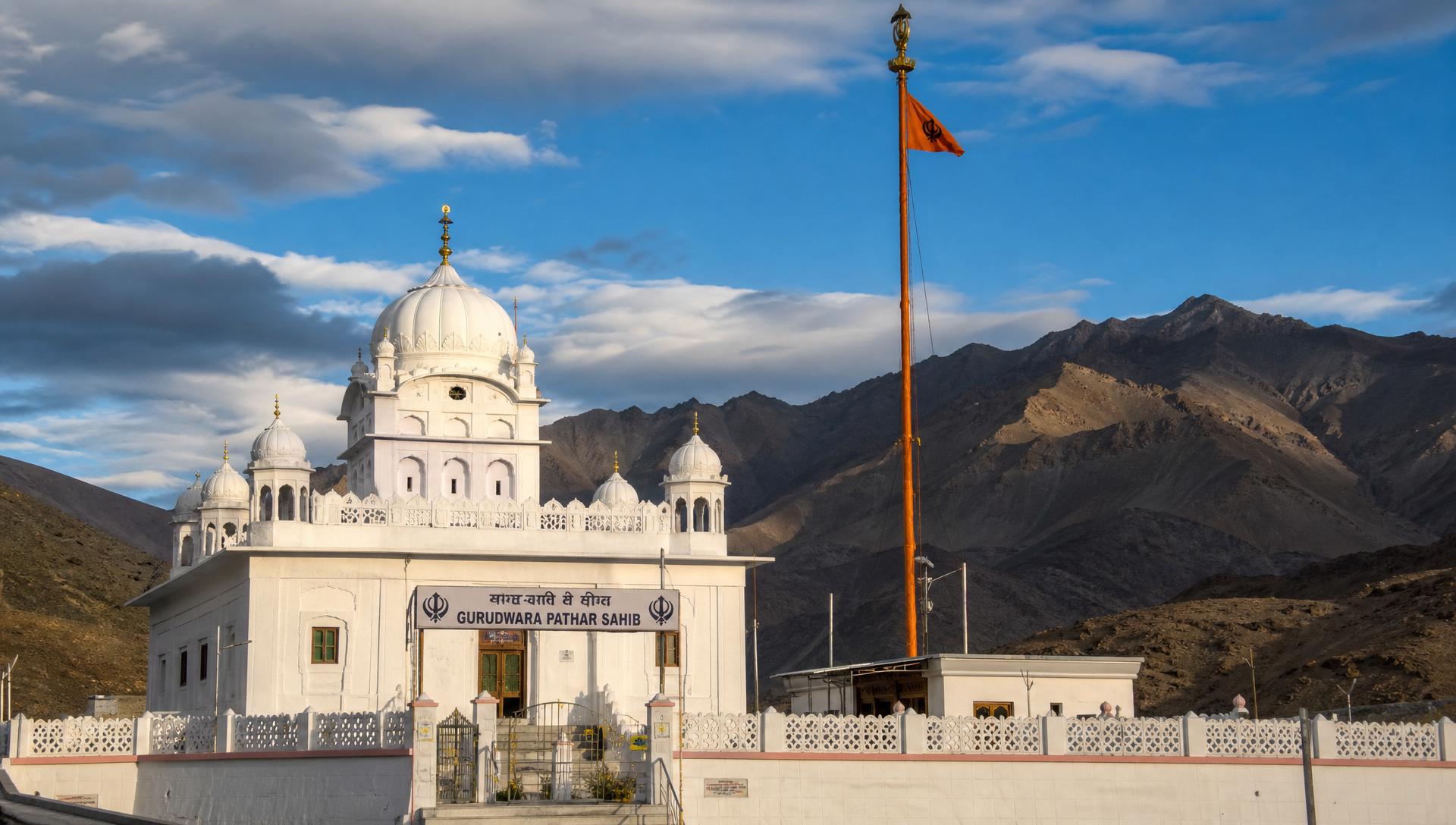
Gurudwara Pathar Sahib
A serene Sikh shrine maintained by the Indian Army, built to honour Guru Nanak Dev Ji's visit to Ladakh in the 16th century and the legendary boulder bearing his imprint.
View details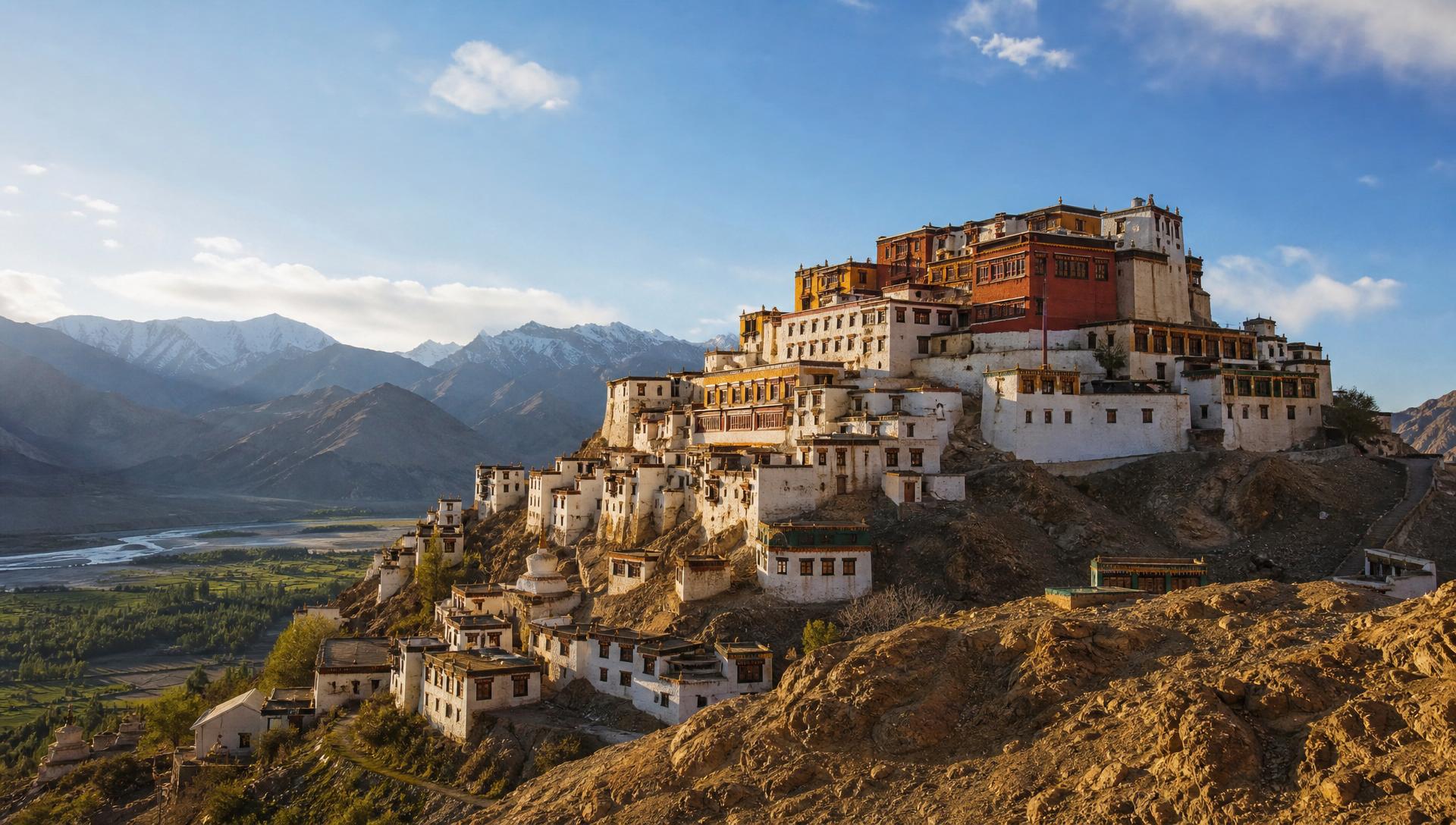
Thiksey Monastery
A twelve-storey monastic complex resembling a mini-Potala Palace, home to over 100 monks and a stunning 15-metre Maitreya Buddha statue spanning two floors.
View details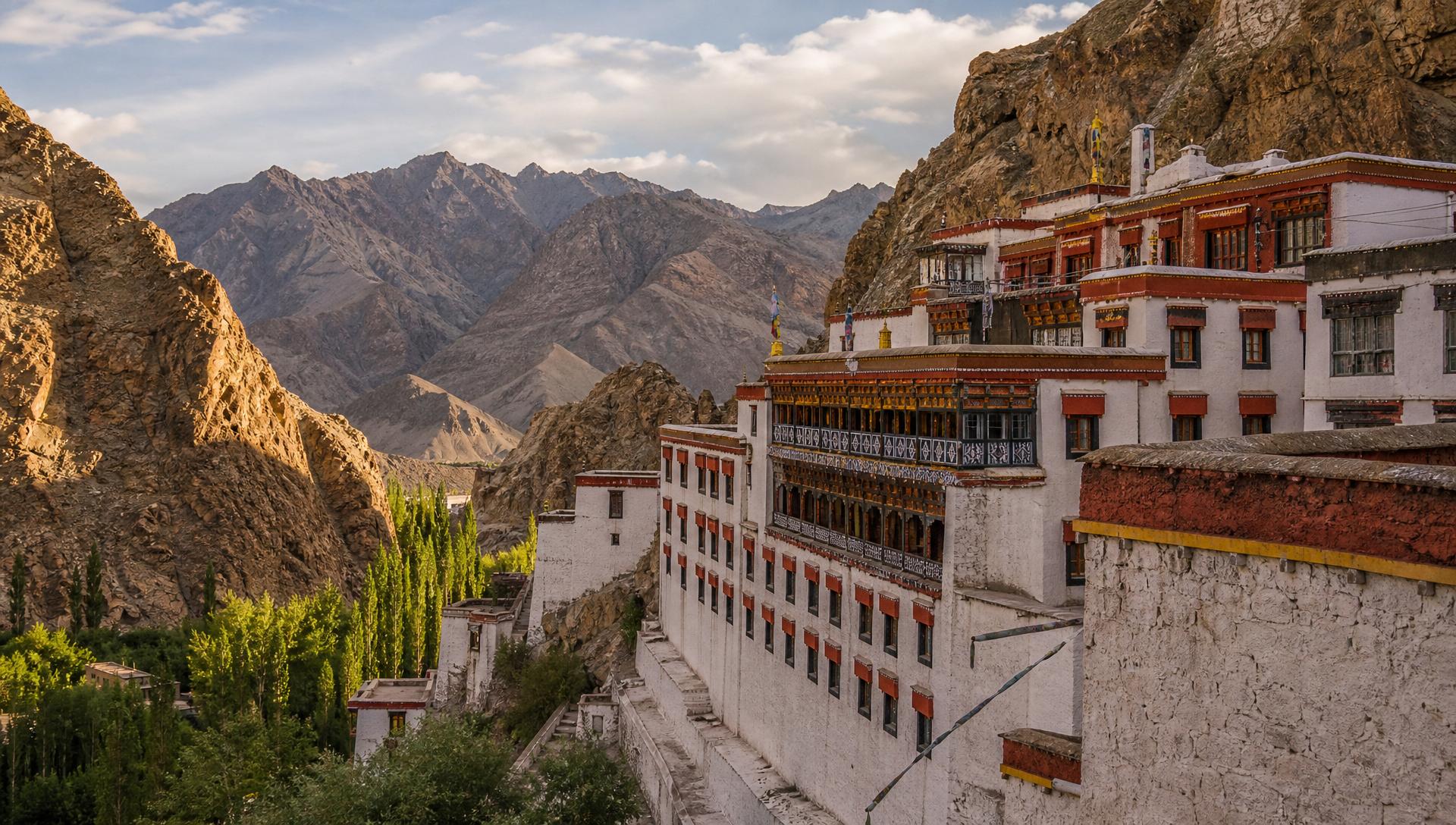
Hemis Monastery
The wealthiest and largest monastery in Ladakh, famed for its colourful Hemis Festival, towering thangkas, and a museum of priceless Buddhist relics.
View details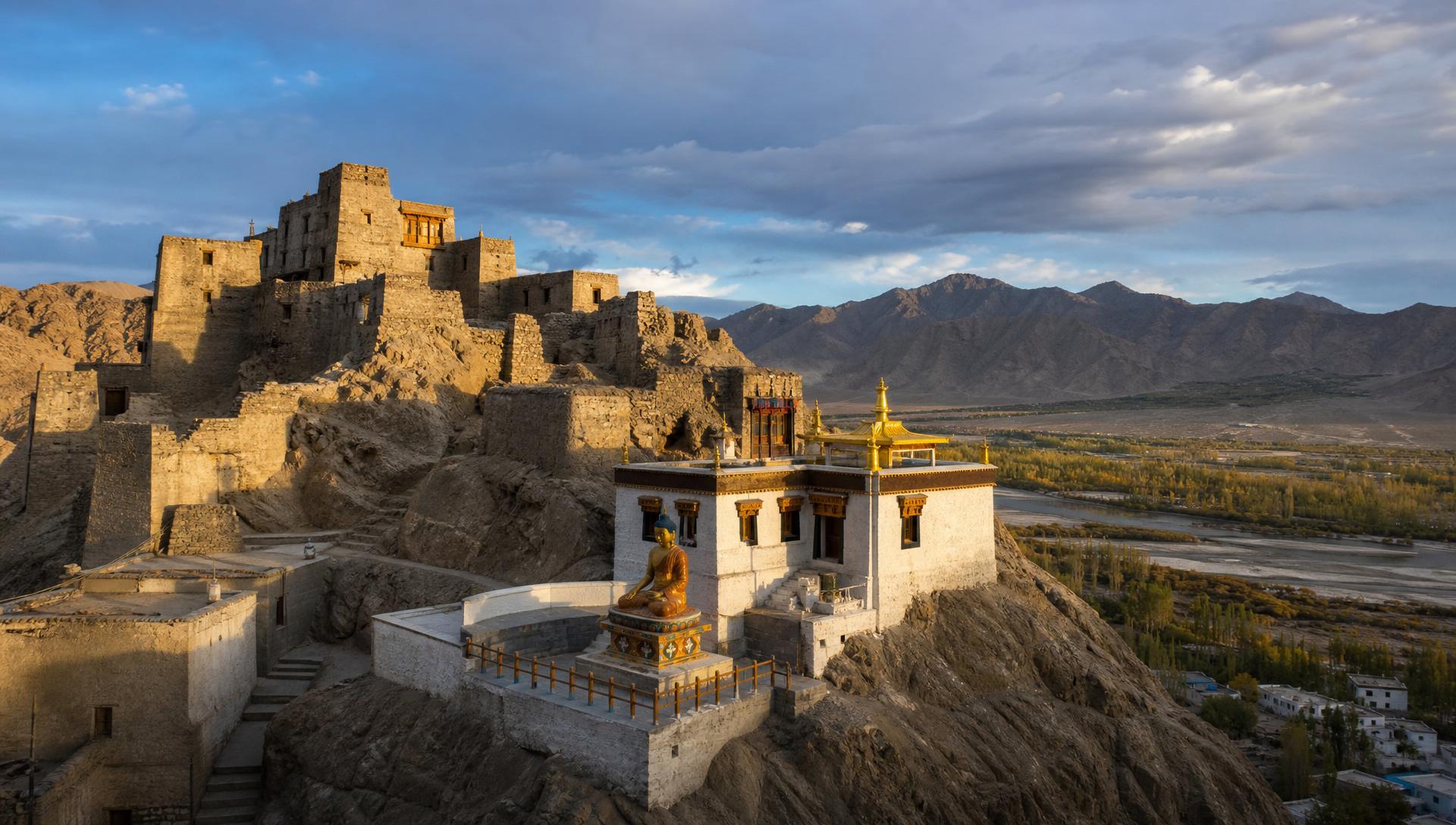
Shey Palace
The former summer capital of the Ladakhi royals, this hilltop palace and monastery houses a 12-metre copper-gilded Shakyamuni Buddha — one of the largest of its kind in Ladakh.
View details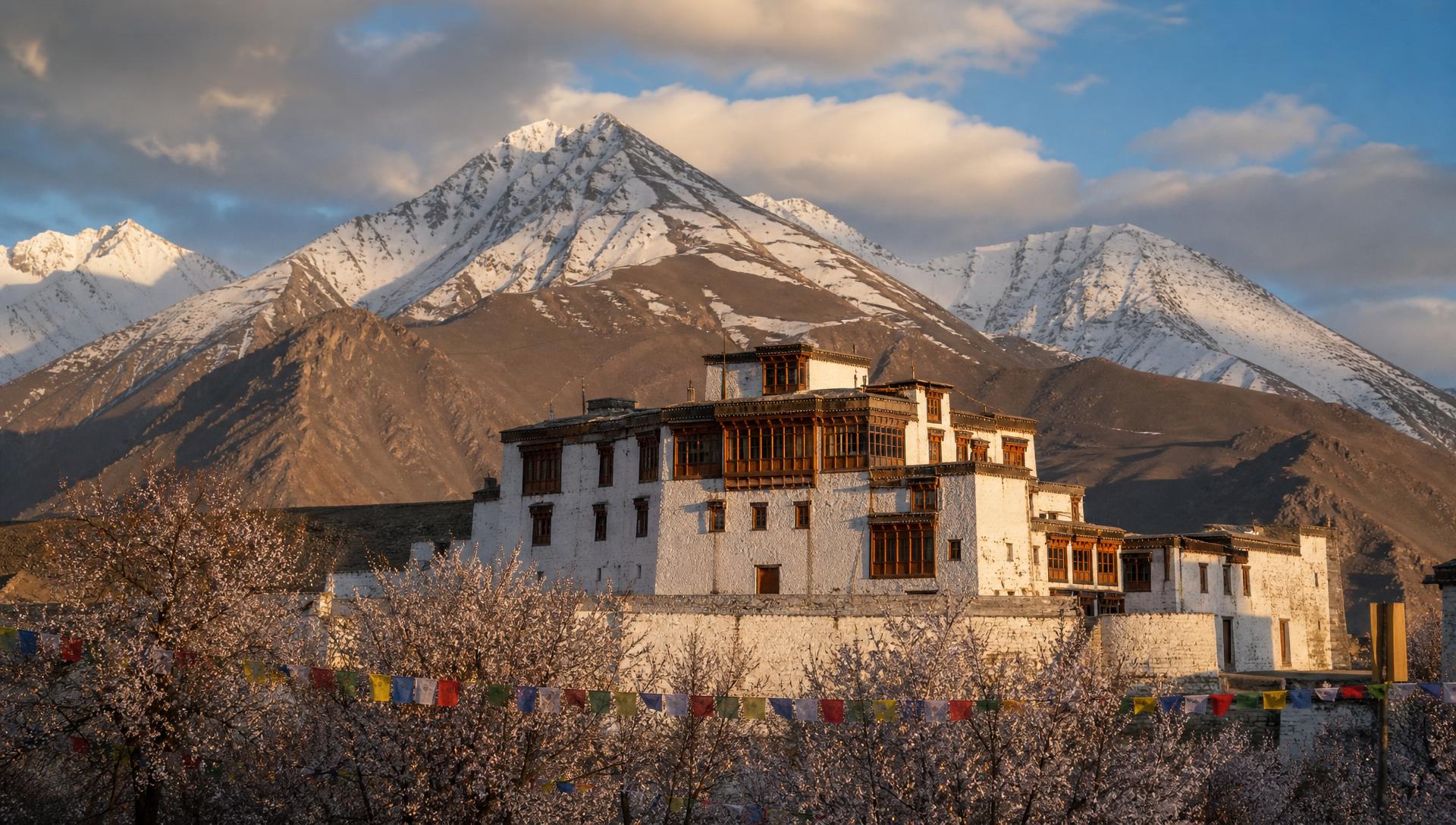
Stok Palace
The official residence of the Namgyal royal family of Ladakh since 1843, now part heritage hotel, part museum showcasing royal artefacts, thangkas, and crowns.
View details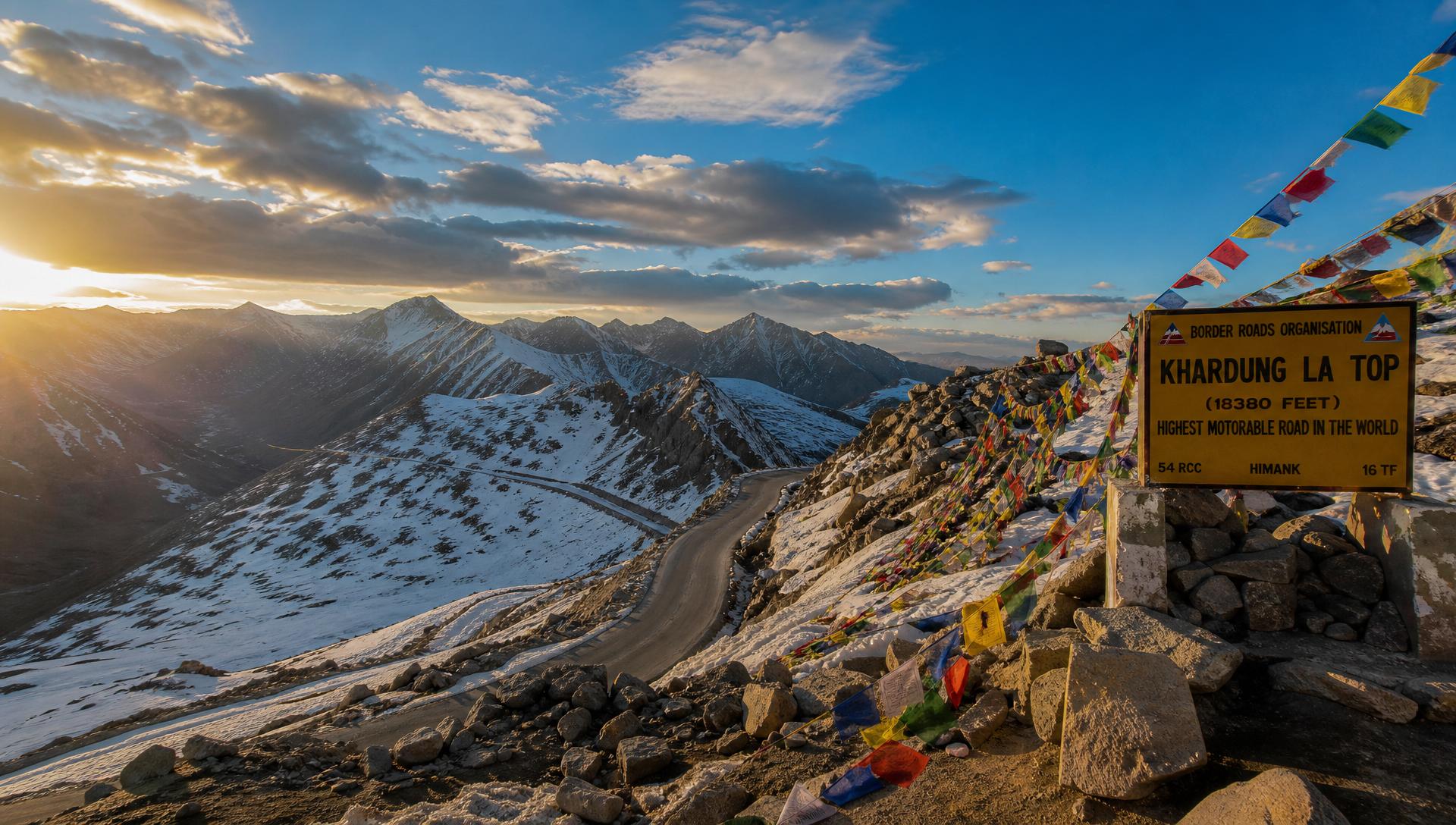
Khardung La
One of the highest motorable passes in the world at 5,359 m, the gateway from Leh to Nubra and Shyok valleys and a bucket-list ride for road-trippers and bikers.
View details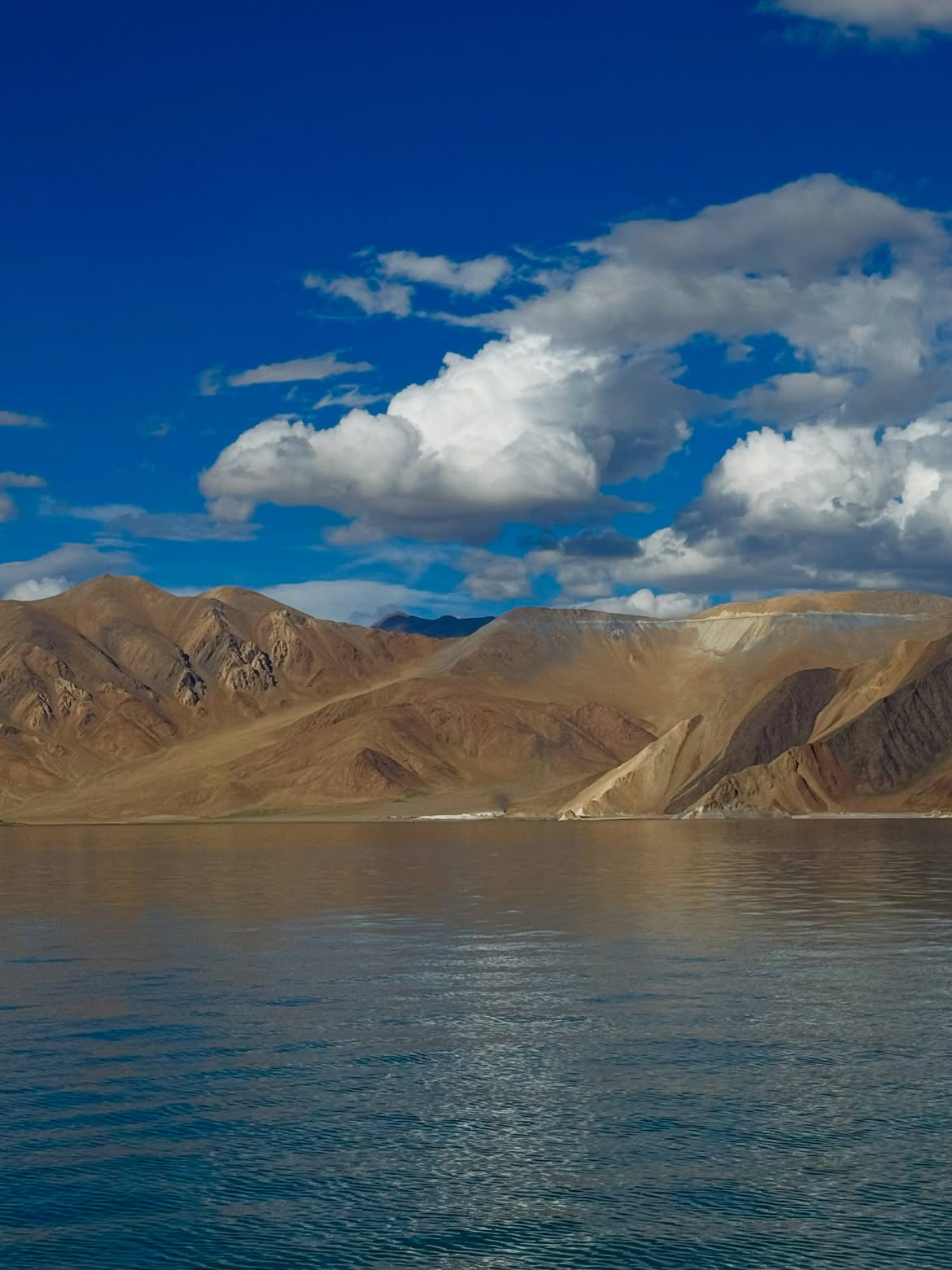
Pangong Lake
A surreal high-altitude endorheic lake that changes colour through the day — from sapphire to turquoise to deep blue — stretching from India into Tibet at over 4,350 metres.
View details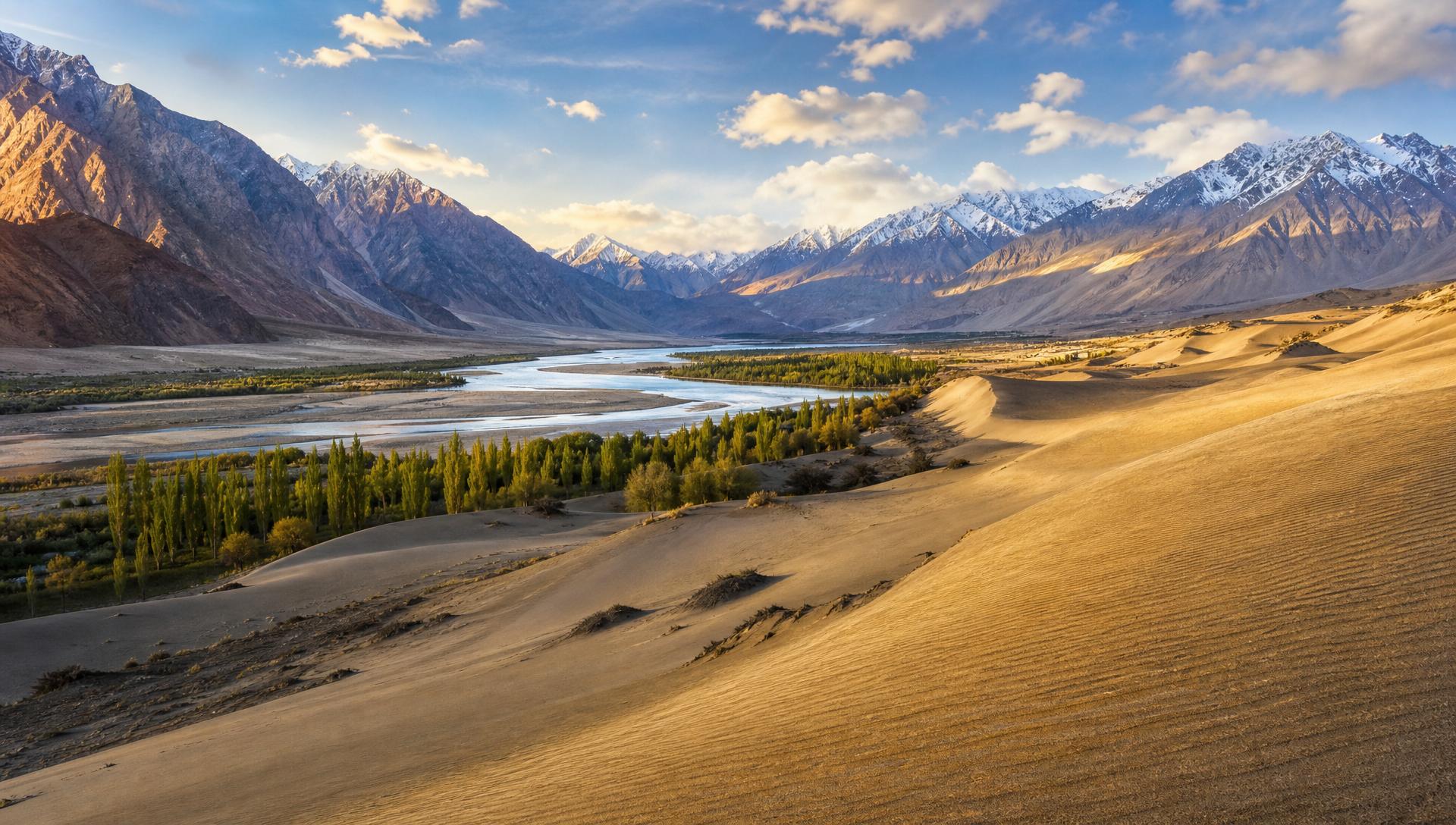
Nubra Valley
A cold desert valley famous for its double-humped Bactrian camels, white sand dunes at Hunder, and the giant Maitreya Buddha statue overlooking the confluence of the Shyok and Nubra rivers.
View details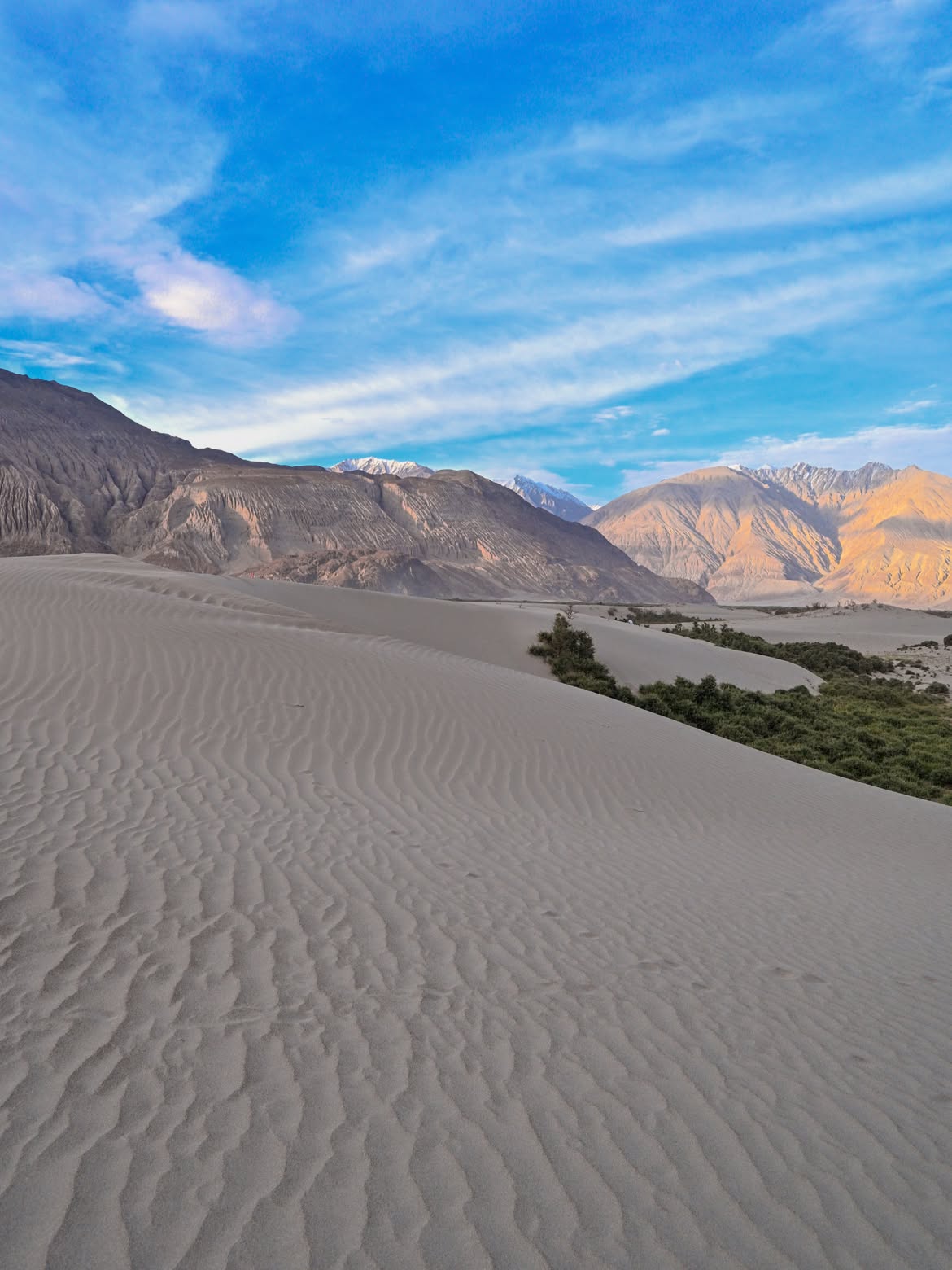
Hunder
Hunder is the high-altitude cold desert of Nubra Valley — rolling white sand dunes, sea-buckthorn groves and the famous double-humped Bactrian camels set against the Karakoram range.
View details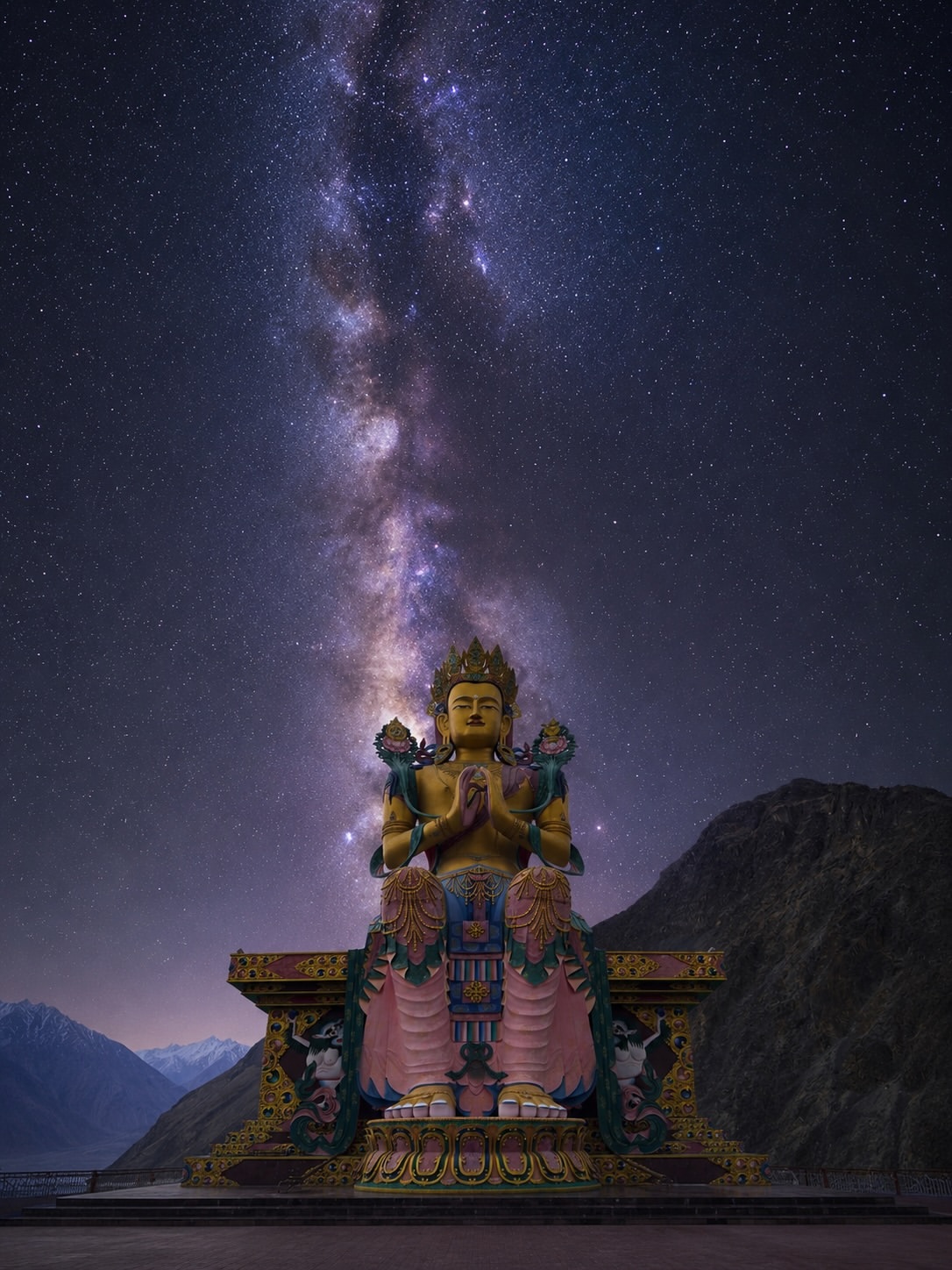
Diskit Monastery
Diskit is the oldest and largest monastery in Nubra Valley, perched on a hillside above the Shyok river and watched over by a 32 m (106 ft) Maitreya Buddha statue facing towards Pakistan.
View details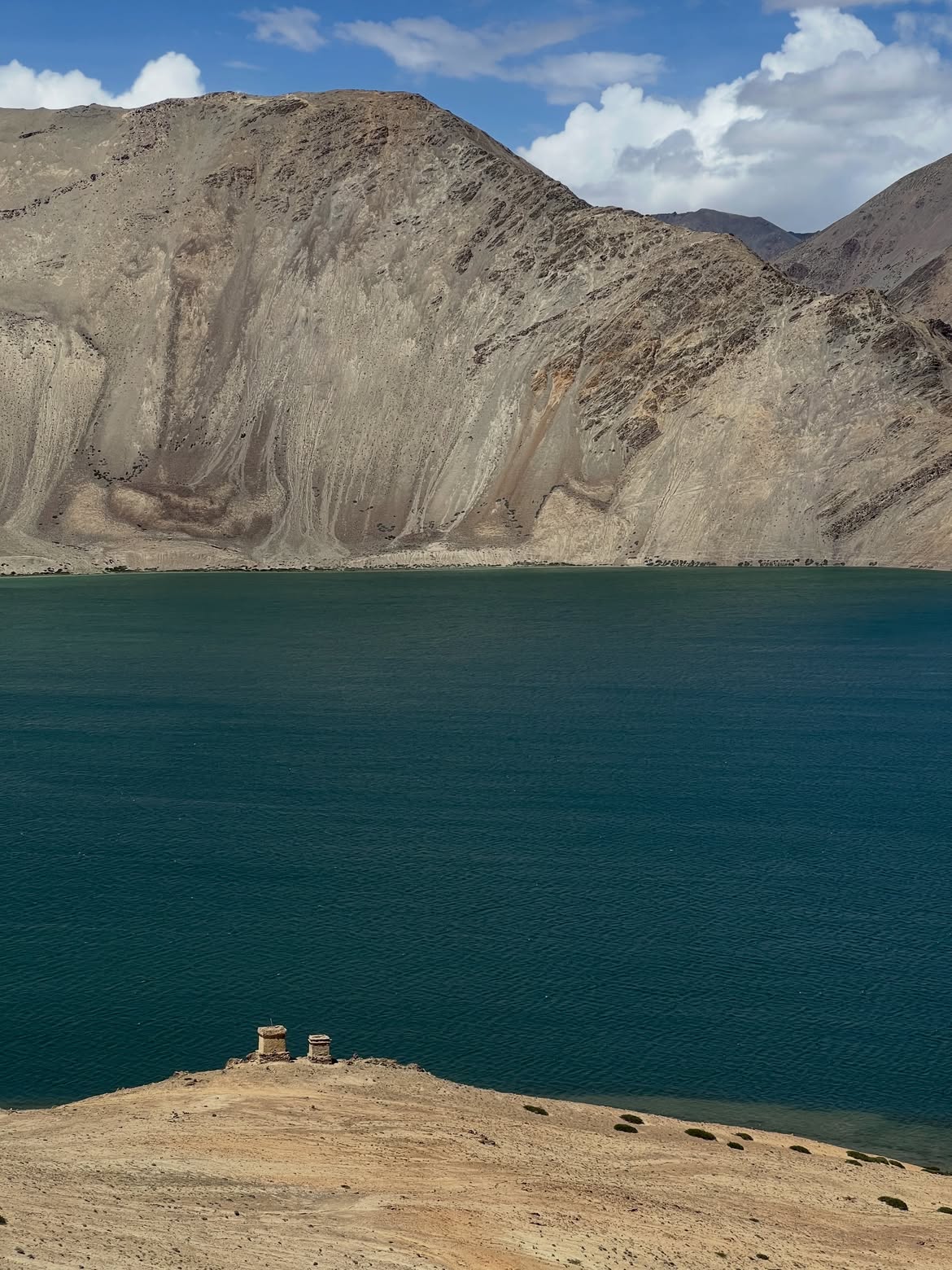
Yaya Tso
Yaya Tso is a quiet high-altitude lake at around 4,820 m in the Changthang plateau, known as a nesting ground for bar-headed geese and for its mirror-like reflections of the surrounding hills.
View details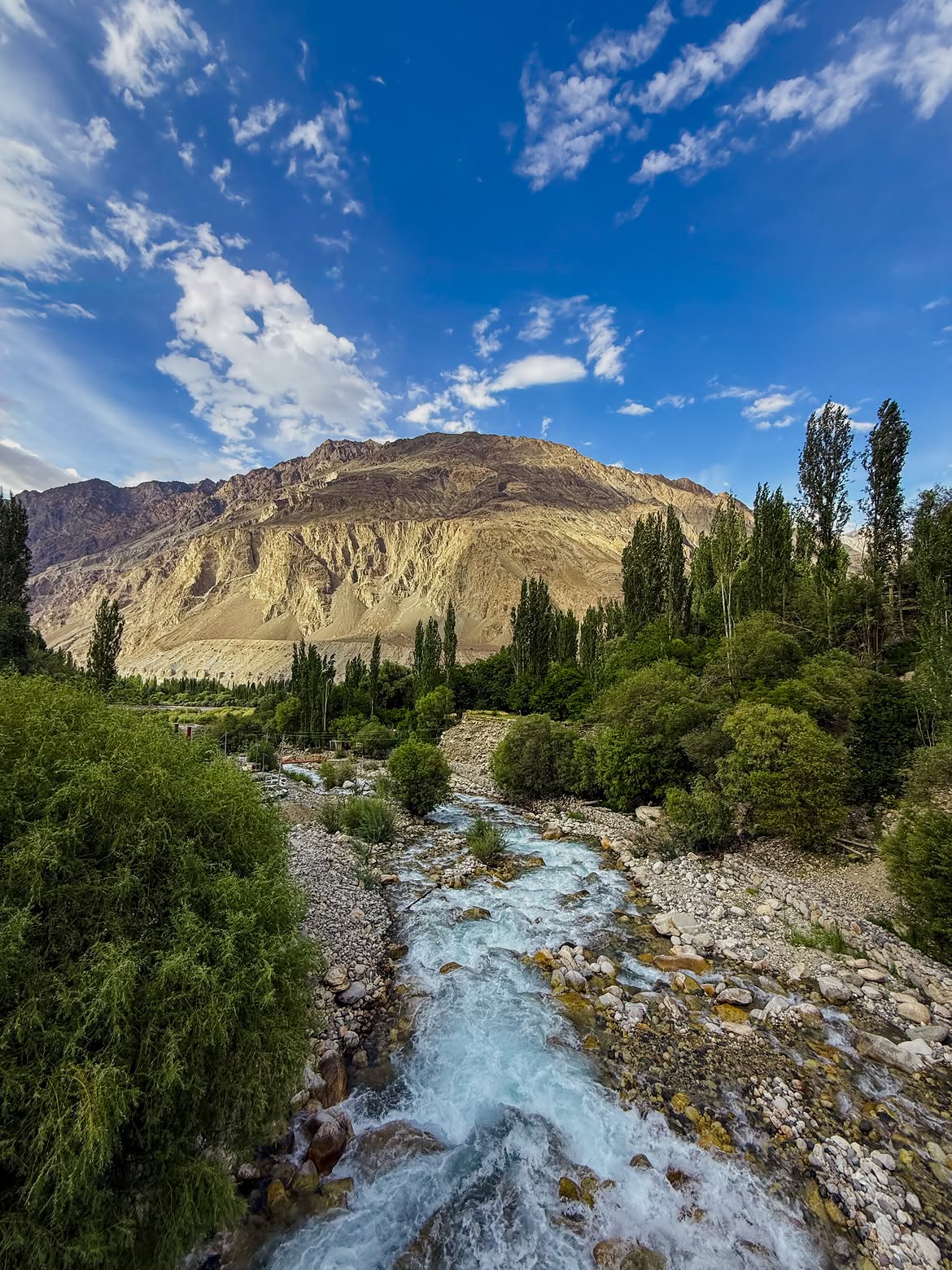
Turtuk Village
One of the last Indian villages before the Line of Control, Turtuk is a green Balti settlement of apricot orchards, buckwheat fields, stone-and-wood houses and glacier streams set below the Karakoram peaks.
View details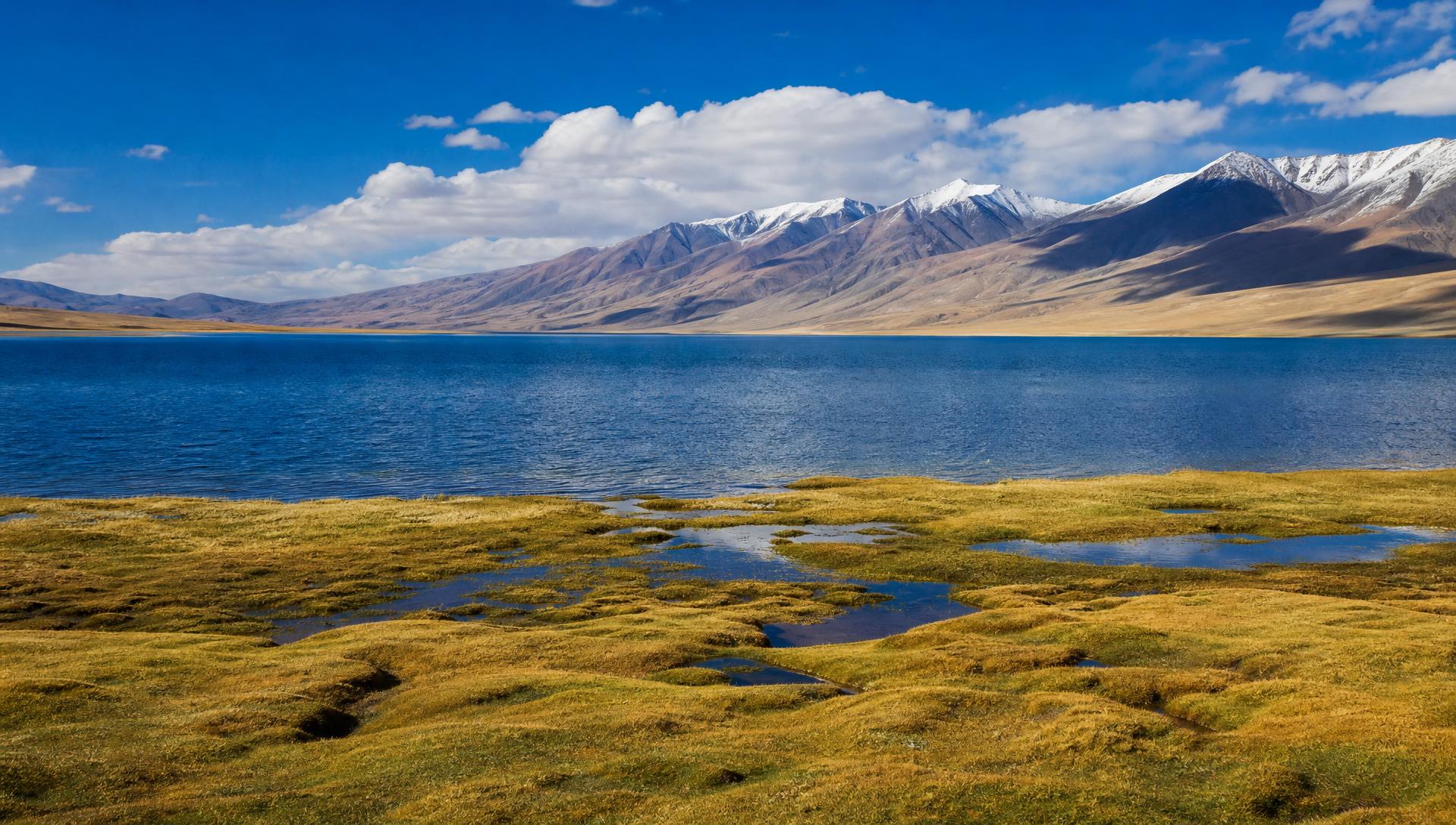
Tso Moriri
A pristine high-altitude lake at 4,522 m surrounded by the Changthang plateau — a Ramsar wetland and breeding ground for the rare black-necked crane and bar-headed geese.
View details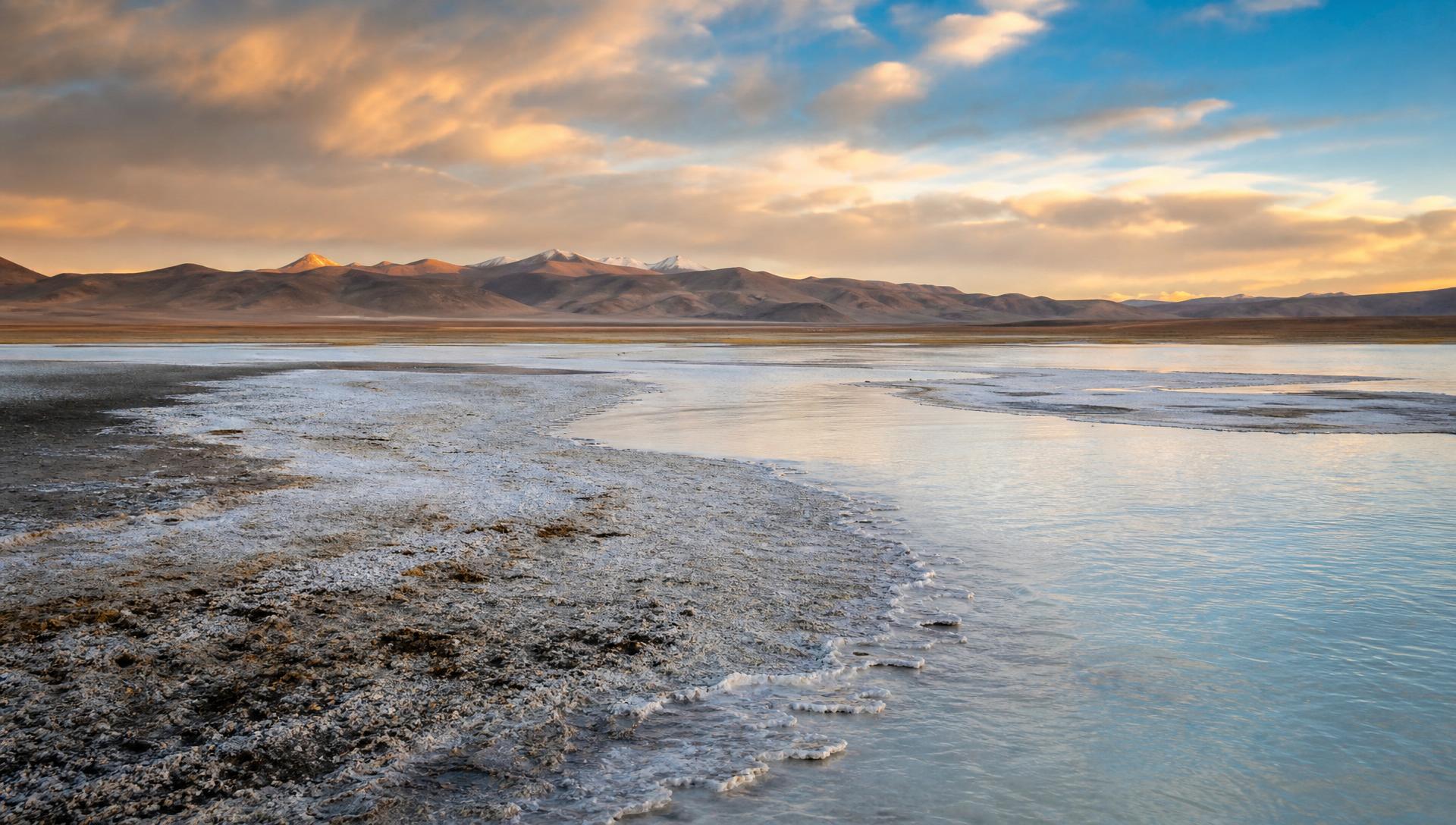
Tso Kar
A fluctuating salt lake famous for its glittering white salt-encrusted shores and as a birdwatcher's paradise on the high Changthang plateau.
View details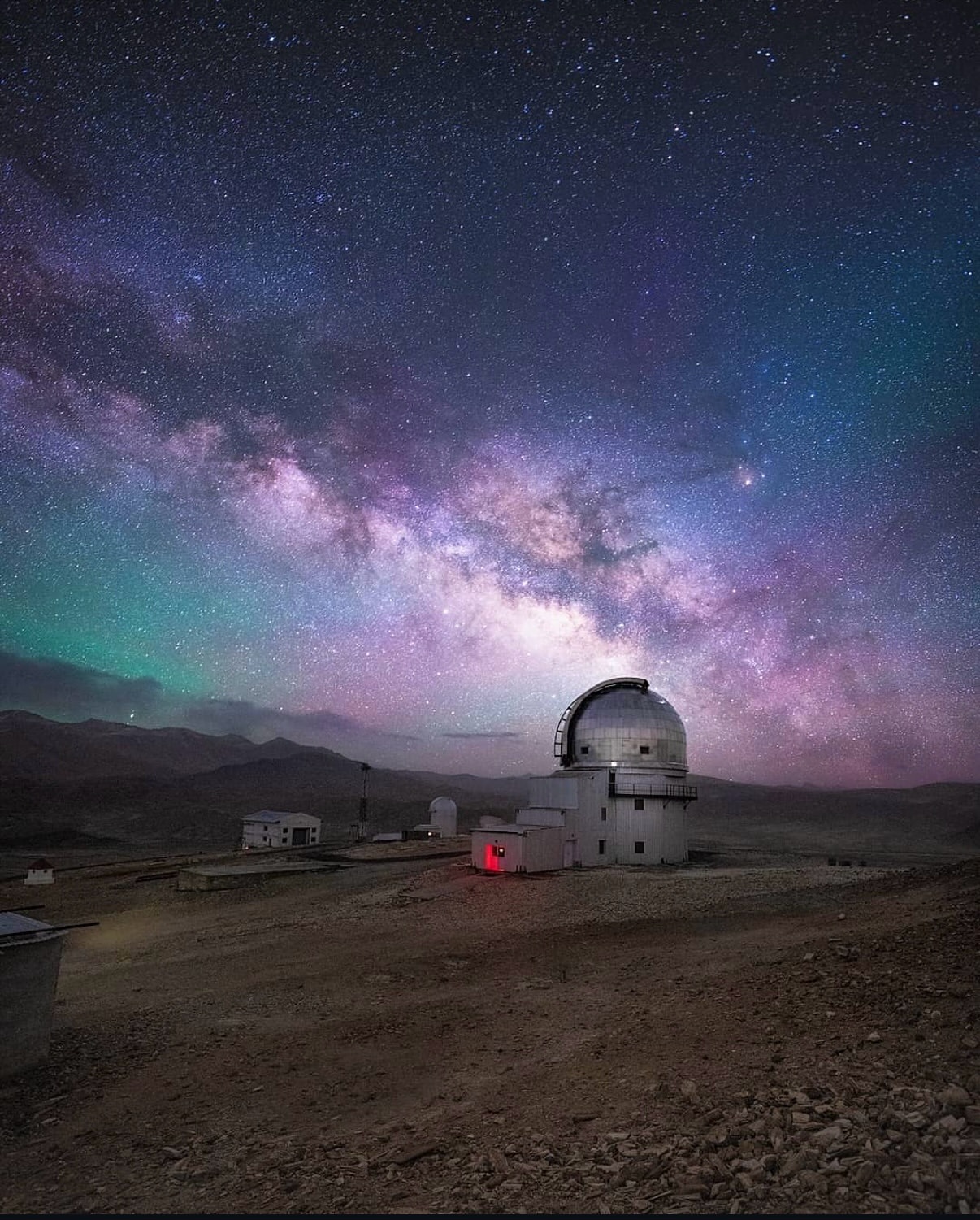
Hanle
A remote astronomy village and India's first Dark Sky Reserve, home to the Indian Astronomical Observatory and some of the clearest night skies in the world.
View details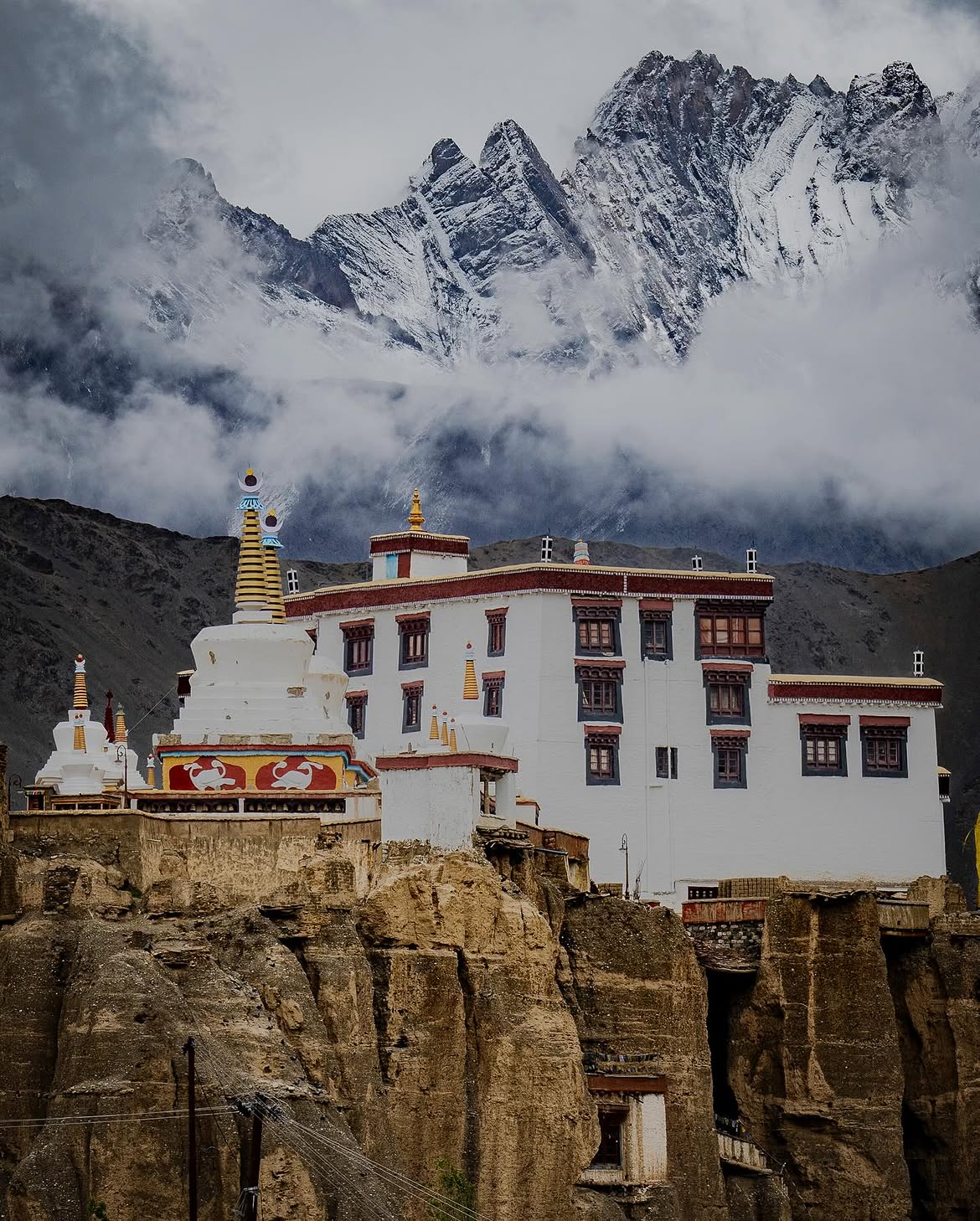
Lamayuru Monastery
One of the oldest and most dramatic monasteries in Ladakh, perched above the 'Moonland' — a surreal landscape of eroded yellow rock formations resembling the lunar surface.
View details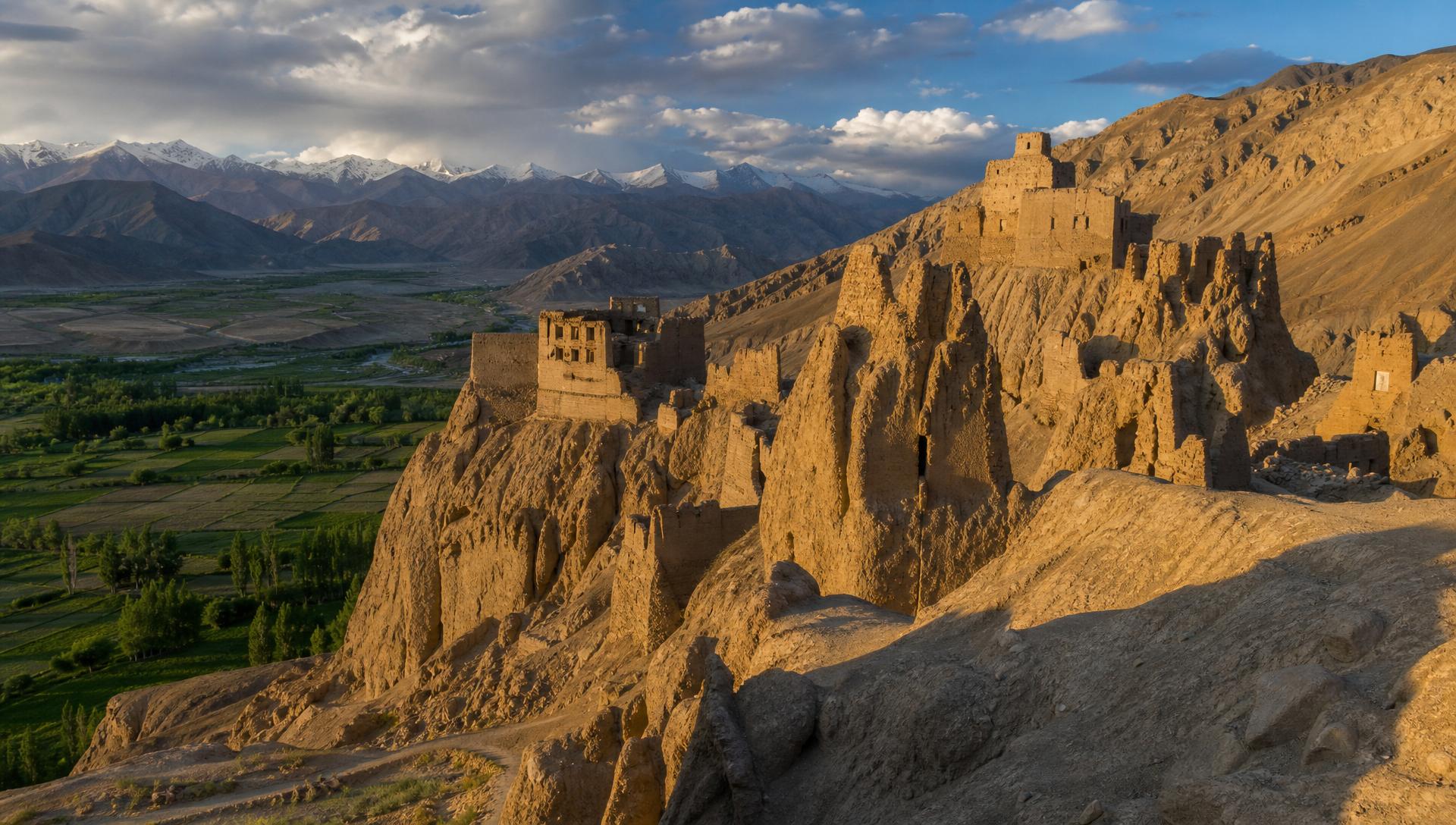
Basgo Palace
The crumbling fortress capital of the Namgyal kings before Leh, set on a striking ridge with three restored temples housing rare Maitreya statues.
View details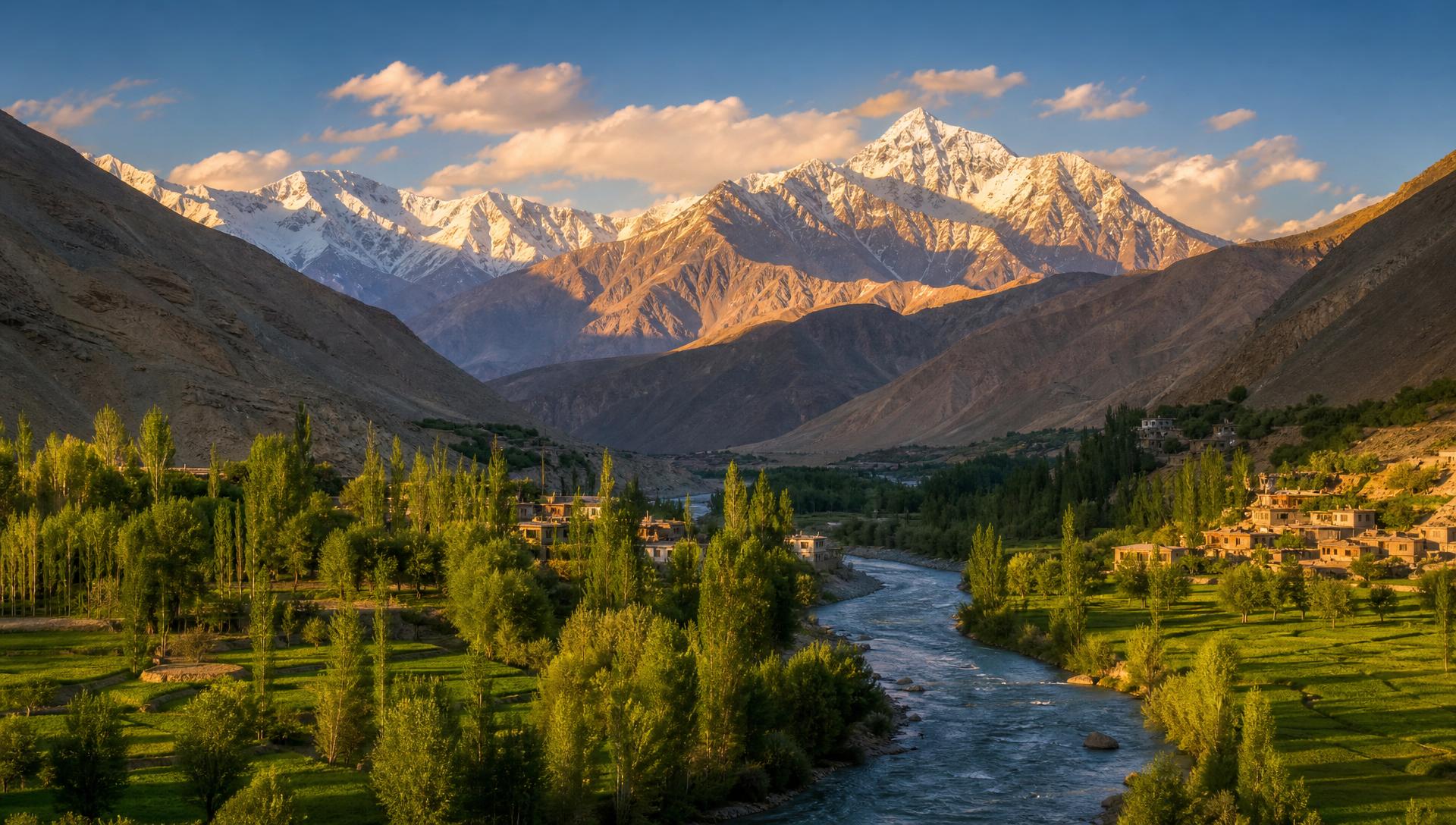
Suru Valley
A lush, green valley along the Suru river flanked by the towering Nun-Kun massif, providing a stunning contrast to the rest of Ladakh's barren highlands.
View details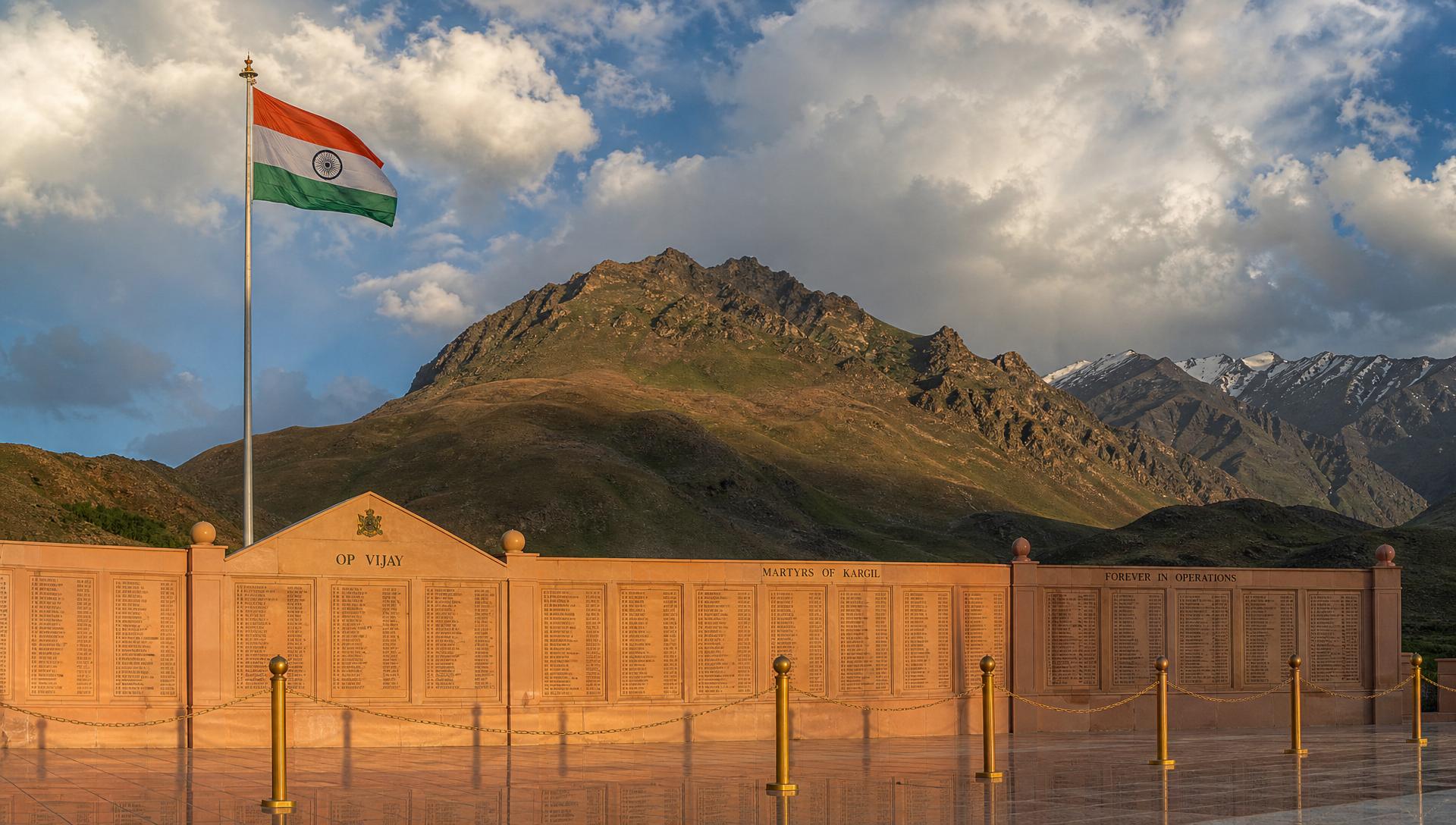
Drass War Memorial
The Kargil War Memorial at Drass honours the Indian soldiers of the 1999 Kargil War, set against the backdrop of the Tololing and Tiger Hill ranges where the fighting took place.
View details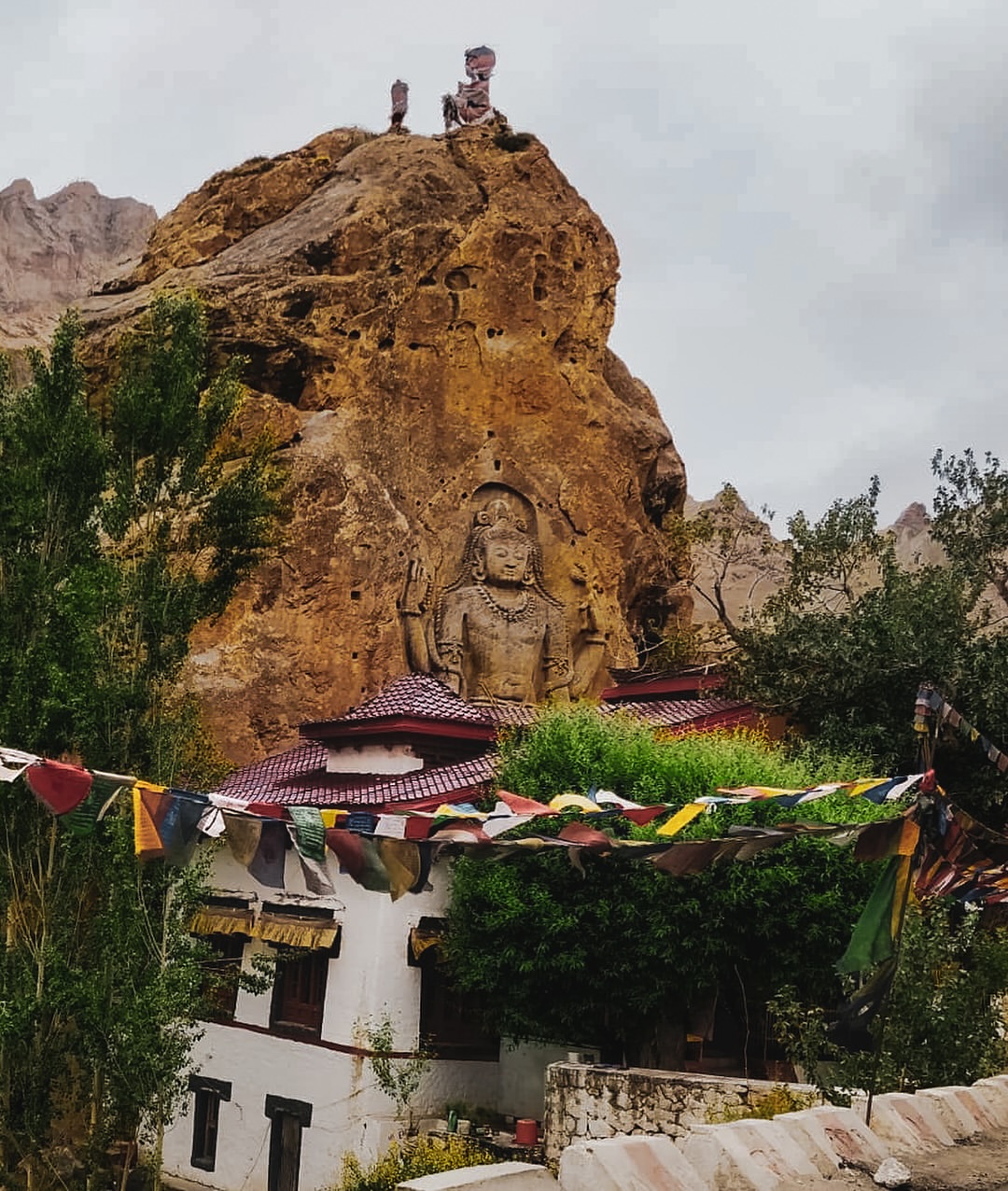
Mulbekh Monastery
Home to a striking 9-metre rock-cut statue of Maitreya Buddha believed to date from the 7th–8th century, this ancient gompa marks the western edge of Buddhist Ladakh.
View details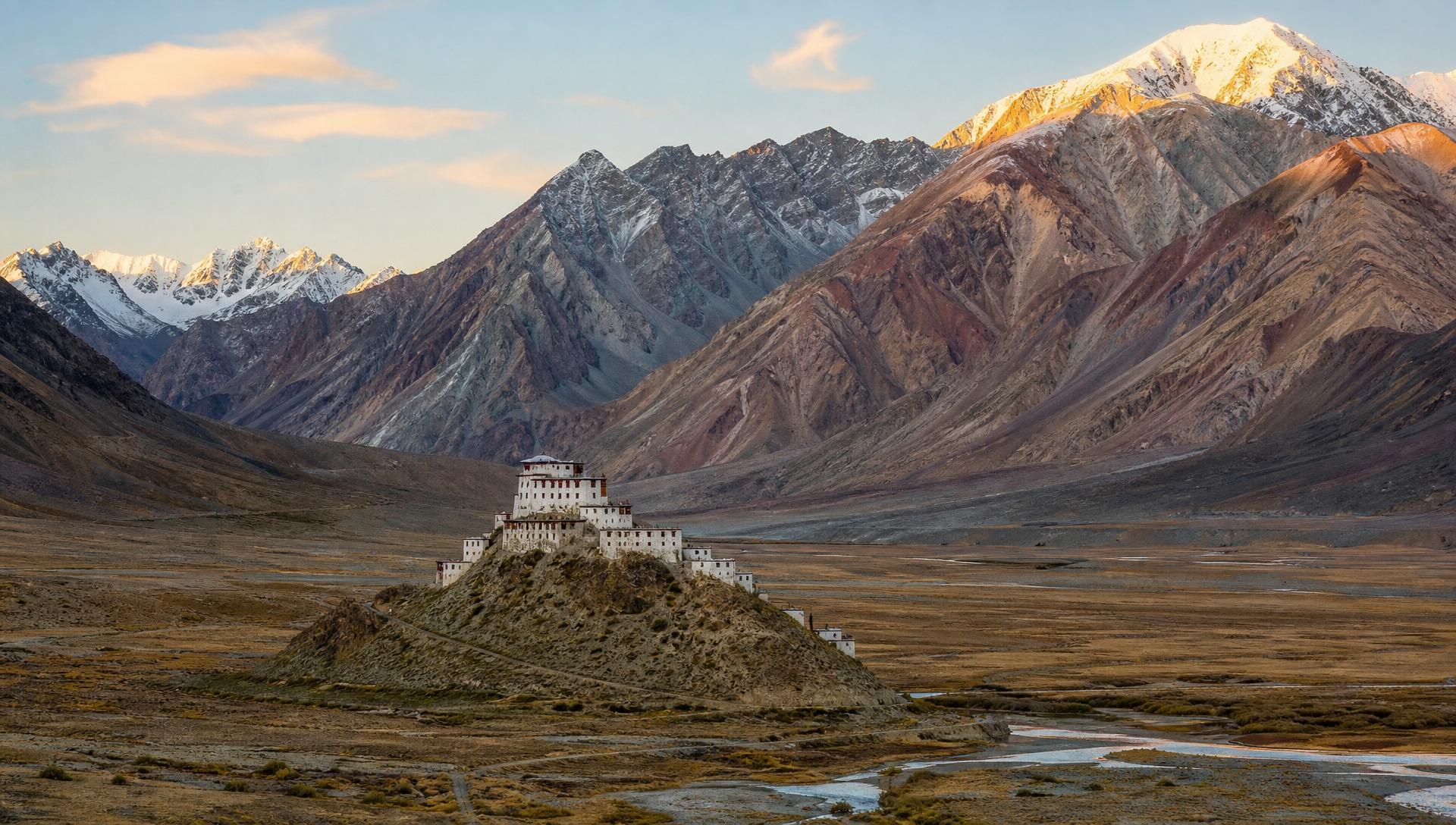
Rangdum Monastery
A remote 18th-century Gelugpa monastery perched on a hillock at 4,031 m in the Suru Valley, ringed by glaciers and stark mountains in every direction.
View details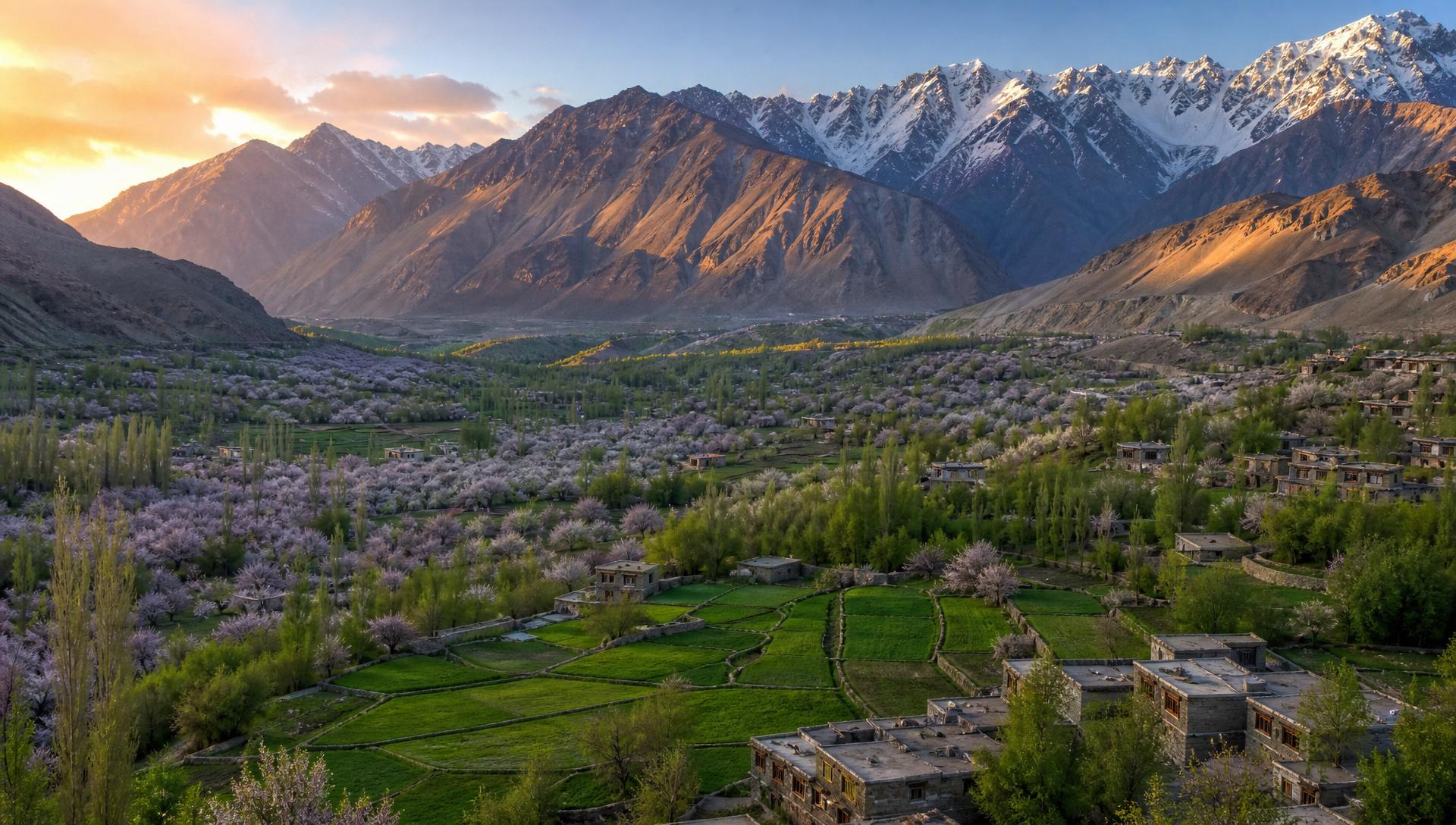
Sankoo Valley
A bowl-shaped green oasis at the confluence of the Suru and Kartse rivers — apricot orchards, willow groves, and a glimpse of the 7th-century Kartse Khar Buddha nearby.
View details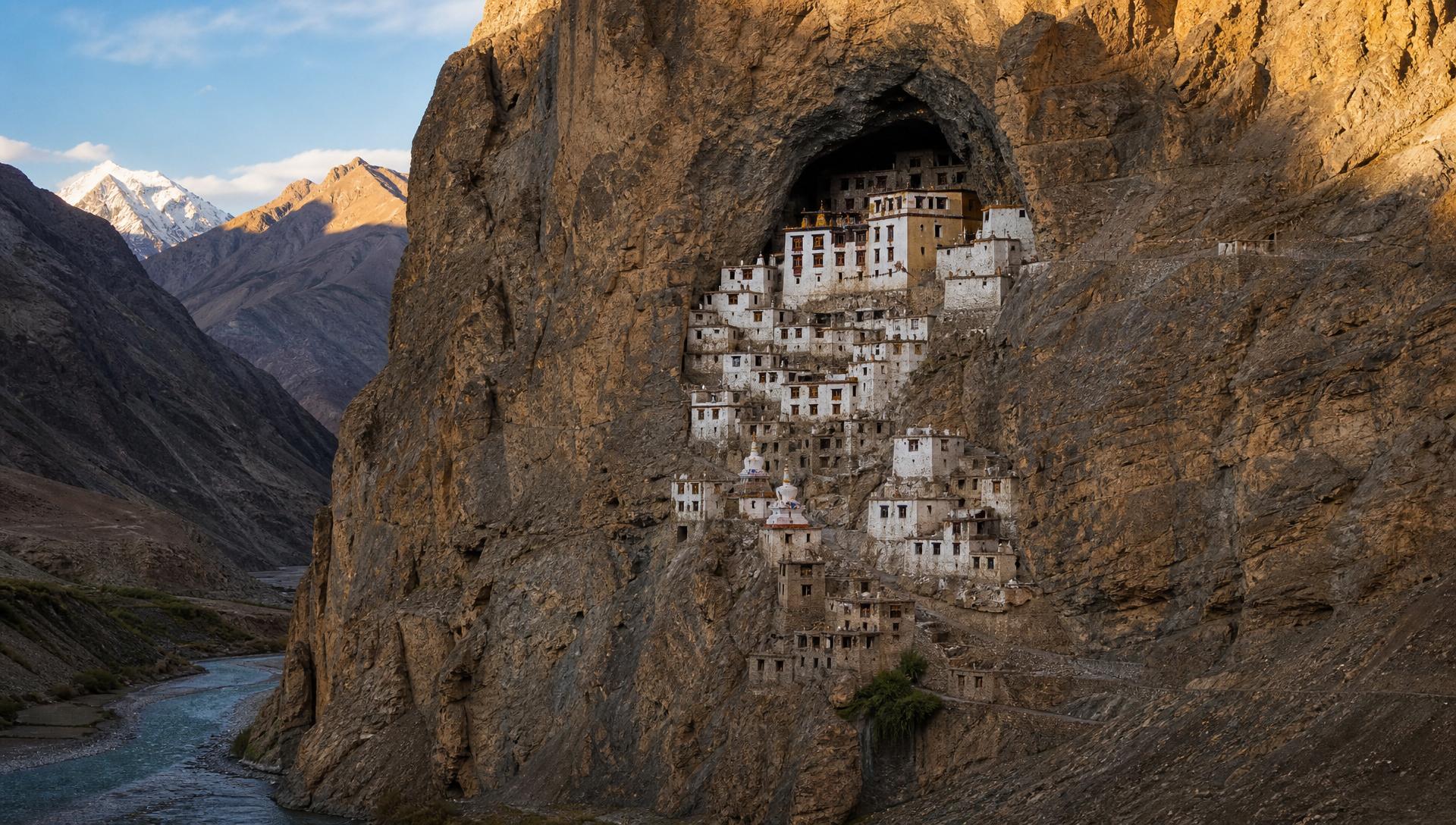
Phuktal Monastery
A spectacular cave monastery built into a massive cliff face in remote Zanskar, accessible only on foot — one of the most photographed monasteries in the Himalayas.
View details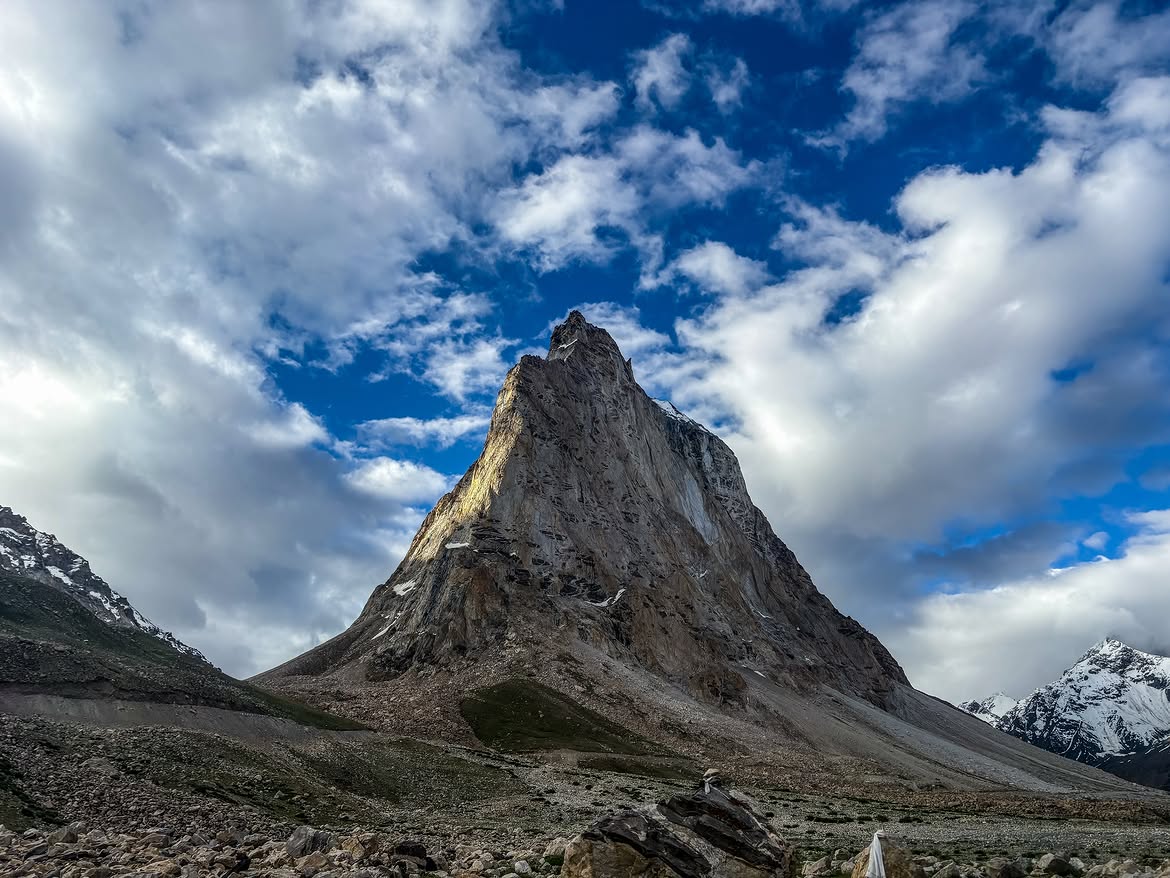
Zanskar Valley
A remote Himalayan valley cut off from the world for half the year, with turquoise rivers, cliff-hugging monasteries and some of the wildest landscapes in India.
View details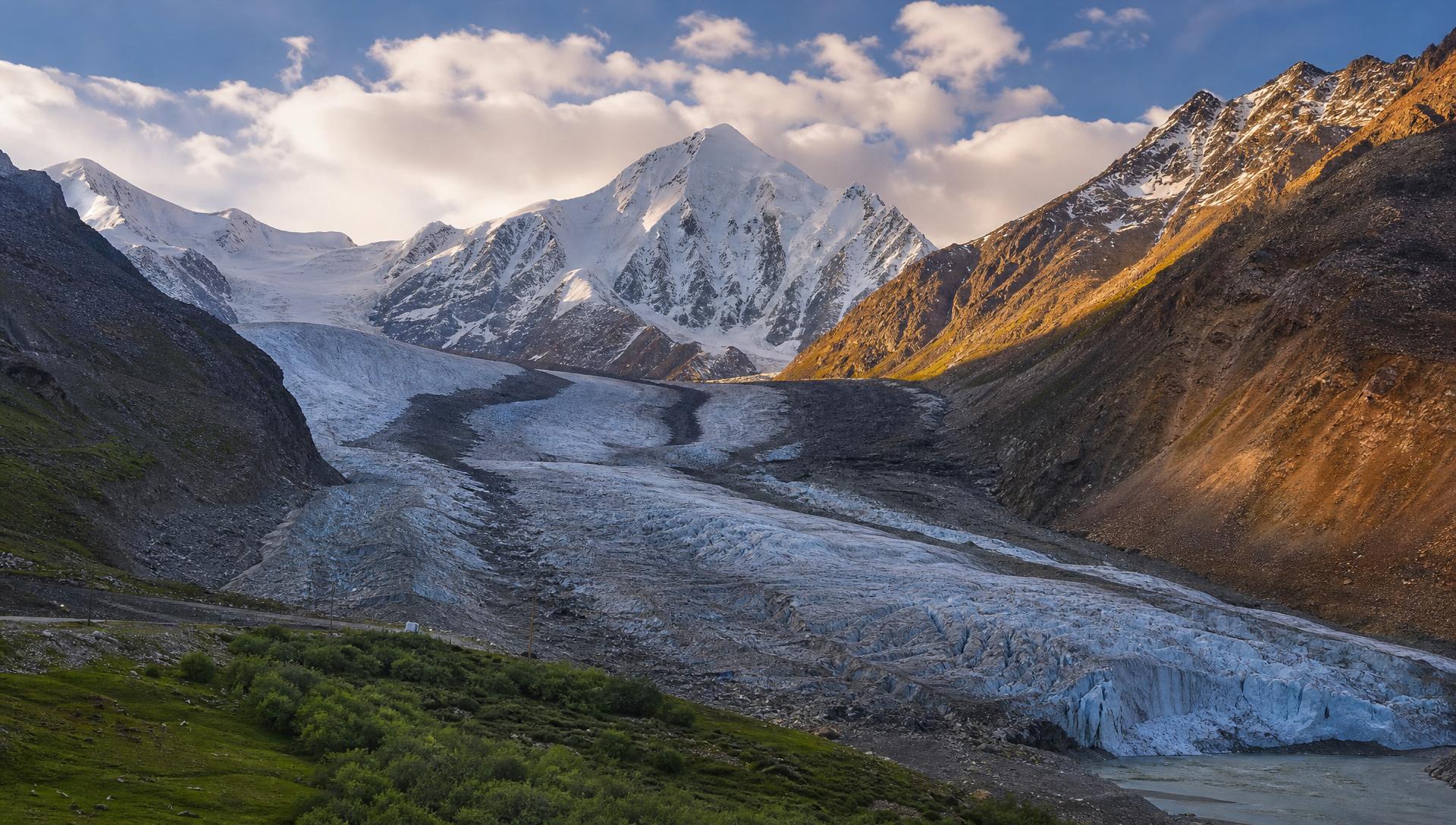
Parkachik Glacier
A massive glacier tongue from the Nun-Kun massif that tumbles down almost to the road, offering one of Ladakh's most accessible close-up glacier views.
View details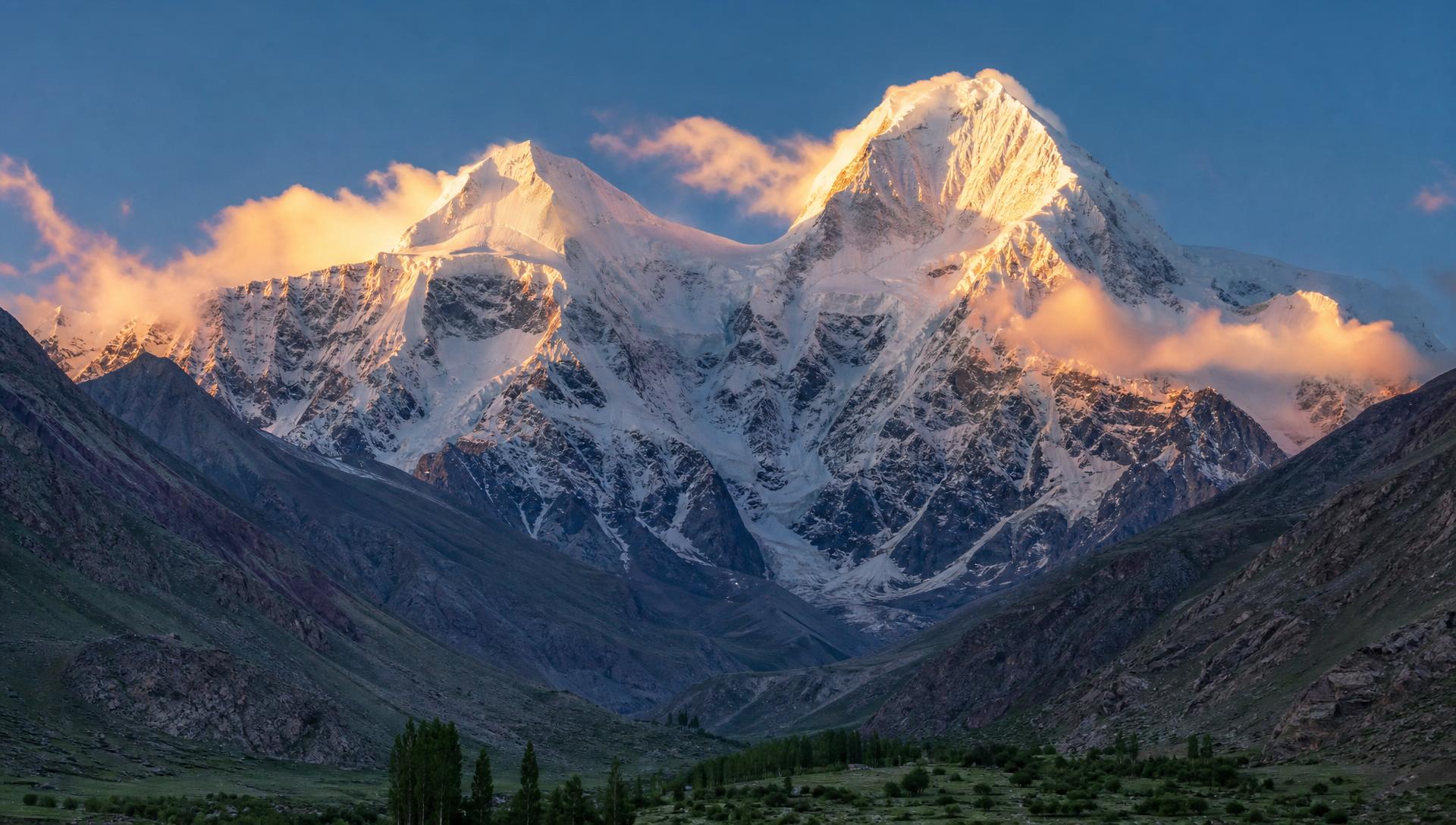
Nun Kun Peaks
Twin Himalayan giants — Nun (7,135 m) and Kun (7,077 m) — dominating the Suru Valley skyline and ranking among the highest peaks entirely inside India.
View details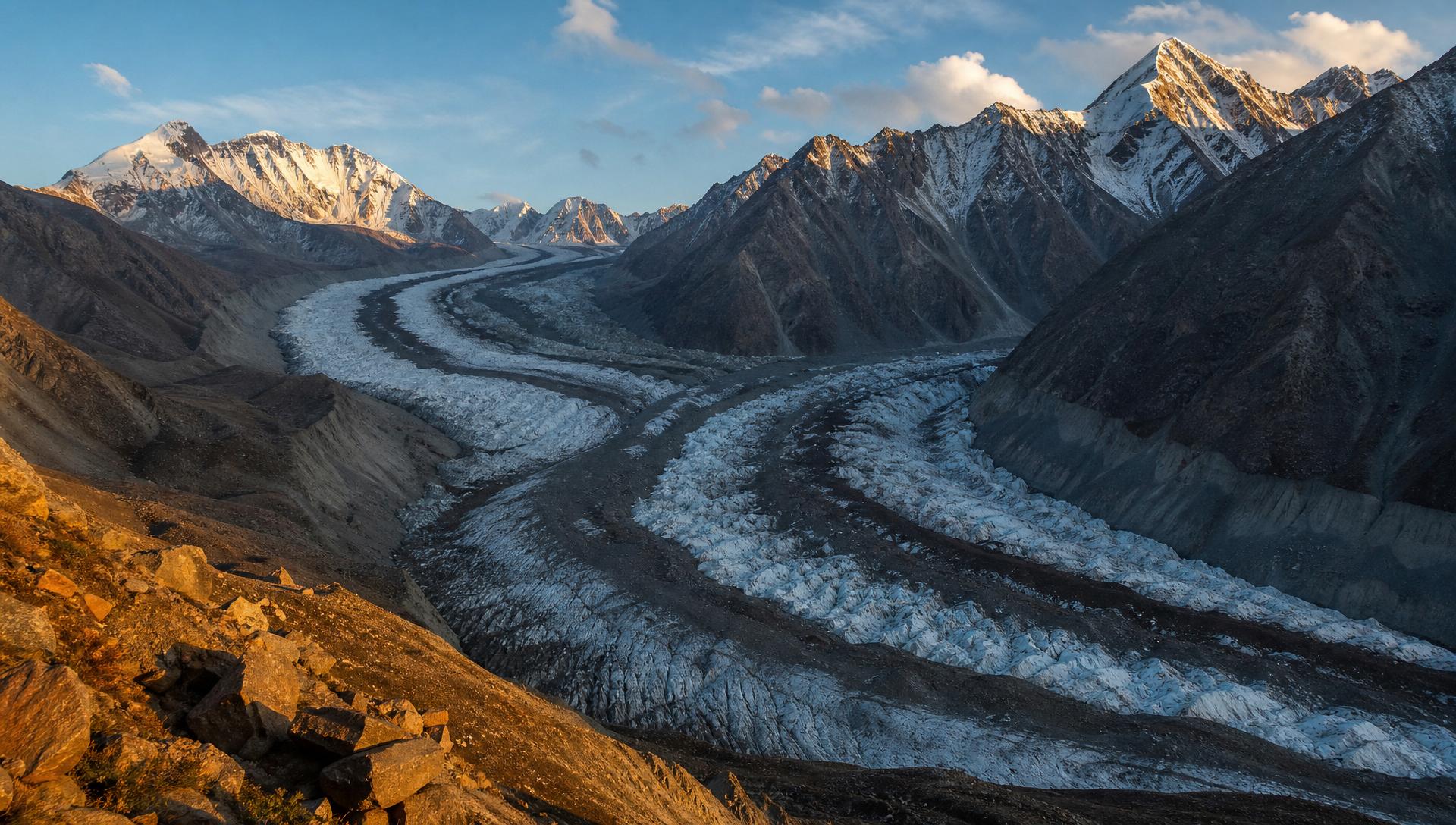
Drang Drung Glacier
At ~23 km long, Drang Drung is the second-largest glacier in Ladakh — a sweeping river of ice visible right from the road as you cross into Zanskar.
View detailsShowing 30 of 30 destinations